Personally Speaking: Surviving my son’s mental illness
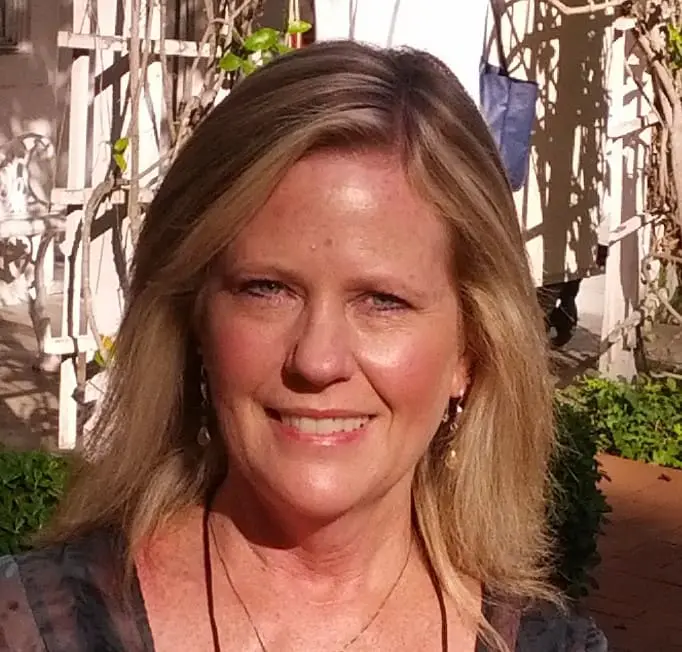
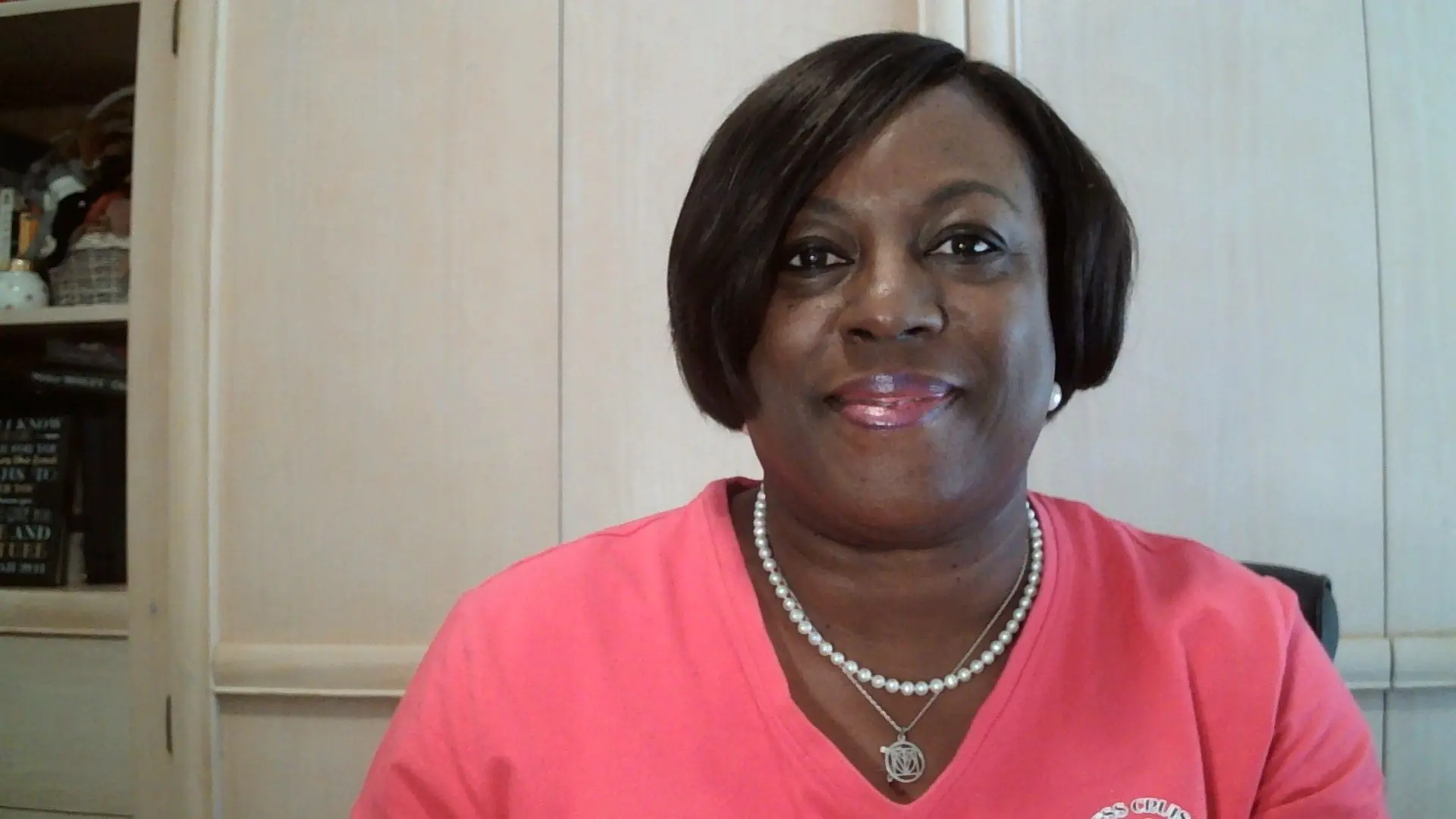
By Dotti McKee
It was a mother’s nightmare. I received a terrifying call from a hospital in 1991, telling me that Mike, our 22-year-old son, a senior at Radford University, had been found running down the center of a major highway, 18-wheelers swerving around him as he kept up with the voices telling him to run faster. The police picked him up and took him to Eastern State, a nearby mental hospital. My stomach churned with fear and dread. A mental hospital? How could this happen to my compassionate and loving son?
At home, Mike slumped on the living room sofa. He glanced at me and then looked away. He was silent. Withdrawn. There was a blankness in his expression, a sense of loss; he wasn’t there. That familiar spark in his beautiful brown eyes was gone. When I realized how distant this stranger was, how far he was out of my reach, my heart wrenched.
After dozens of trips all over the country to get him the best treatment, two years later, he was finally diagnosed with paranoid schizophrenia. We needed answers. Where do I go for help? How can I help him get his life back to normal?
His dad and I were taking him to Chestnut Lodge in Maryland. We were desperate. It was early evening rush hour traffic as we sped along the fast lane on the Washington Beltway near the Annandale exit. Mike was in the backseat, subdued and quiet. Suddenly he yanked on the door handle, pushing against the door. I screamed from the front seat and grabbed his arm.
His body was sucked out of the car and he tumbled into the next lane. As his dad hit the brake, I looked back and saw him roll, then struggle to stand. Behind him, a tractor-trailer bore down and stopped just short of him. Mike was covered in blood, reeling in confusion. Four lanes of traffic came to a halt. Then he was gone, running up the exit.
We found him sitting on the grass near a shopping center, surrounded by the police who had called an ambulance. They rolled him in on a gurney, his face pale and very still. “I know God wants me to live,” he said quietly. “I just have to find out why.”
I had to acknowledge that I couldn’t manage Mike’s illness. I had to release the control I tried to keep over his life. I had to stop feeling his pain throbbing in my gut.
I began to learn about our mental health system, that one of their worst enemies is rootlessness, the inability to find a permanent home,a safe haven. I saw that housing is almost non-existent for adults with severe mental illness. If we could provide the stability of a safe home with treatment, we could keep them off the streets and out of shelters and jails. Housing for adults with mental illness became my passion.
For years I experienced Mike shuffling through the revolving doors of our mental health system.
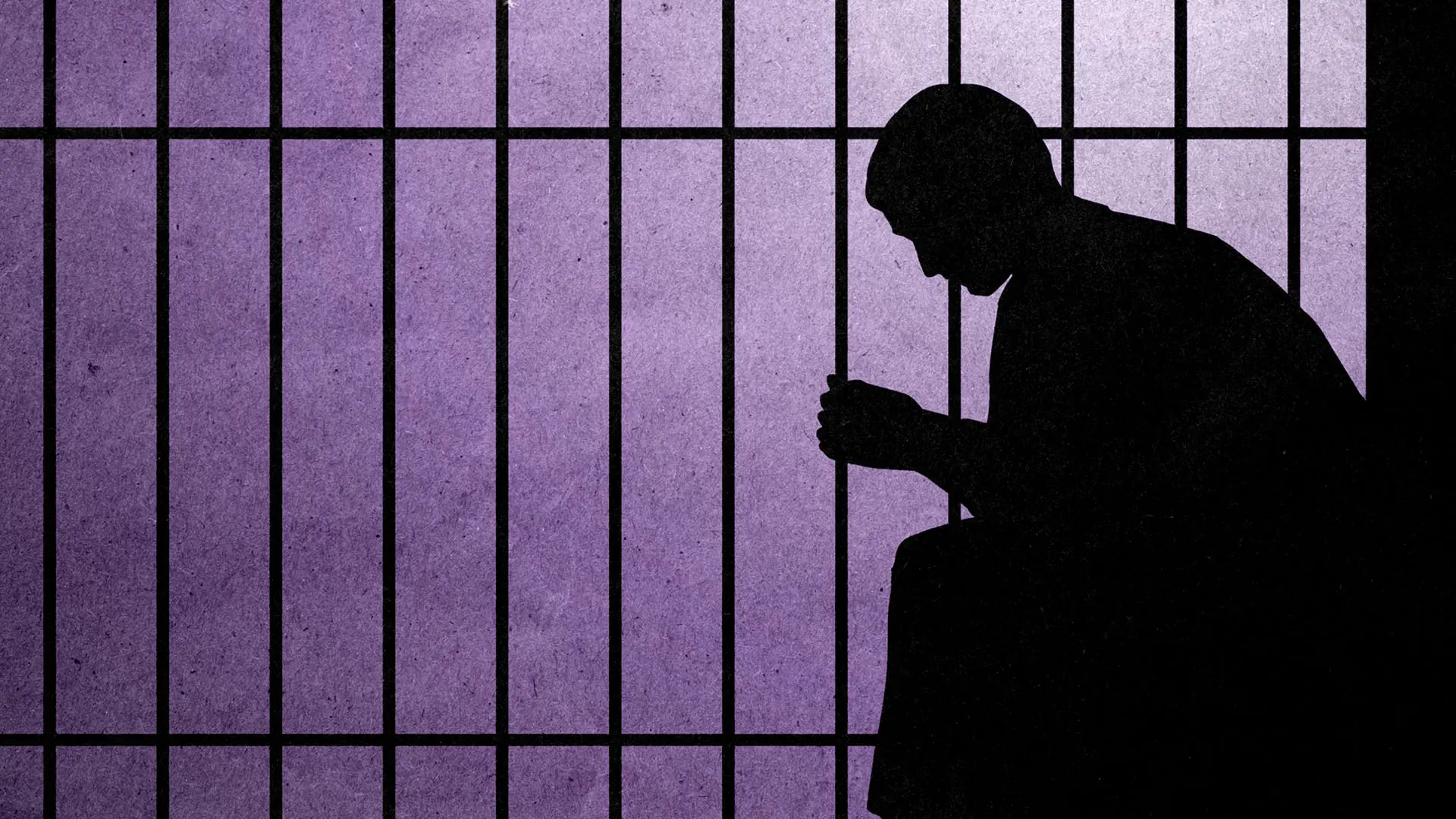
He was jailed 66 days and then again for 38 days, both times in solitary isolation for petty misdemeanors in the Fairfax County Detention Center. He had been in psychiatric hospitals at least 21 times, most times for 3 to 5 days, drugged up and discharged. Over the years, Mike lived in homeless shelters for 101 days.
In my role as an advocate, I calculated that the cost of my son’s illness to the state and county for 842 days in hospitals, jails and shelters was more than $365,305. I learned that the cost of housing four people in a semi-independent group home with a part-time counselor, including medication management, and crisis care if needed was less than $22,000 per person per year!
My son spent several months in the Northern Virginia Mental Health Institute. He was safe. He had a bed. He received decent meals. He was not in jail. Feeling “institutionalized,” he wanted a place of his own. He was discharged with no treatment plan, no community services and no safe place to live. His ‘home of his own’ was a tiny room in the basement of an old house in Bailey’s Crossroads with five other residents, two pit bulls, two cats and a shotgun leaning against the jam of the front door.
Finally, a room in a Pathway’s group home became available with a counselor, medical management, and crisis care. Mike now had the opportunity to better manage his illness. He lived in that group home in Reston for several years where the roommates were helpful to each other. Shopping, cleaning, cooking, walking, they did quite well together until unfortunately that home was closed.
The challenge never ends. Two years ago, Mike went off his meds and was evicted from a group home in Annandale. The good: the eviction finally permitted him to get a hospital bed for three days. The bad: he was back in a homeless shelter after the hospital stay.
Fortunately, The Brain Foundation had an available room and with a signed contract that he would stay on his medication, we moved him in. He is doing quite well.
About one-third ($300) of his monthly Social Security benefits pay the rent and a caring counselor works with each tenant. Two wonderful volunteer house representatives check on the house maintenance. Mike has never again experienced the cold devastation of an isolated jail cell.
Housing is my passion for I know that if we can provide our disabled citizens with a safe, supportive place to live, we can help them. I have continued as an active board member with The Brain Foundation, which owns and manages nine homes for 36 residents with brain disease.
My journey has turned out differently than I had anticipated, but I appreciate a wisdom and understanding I had not known before. And, my son, with his continued strength and courage has survived. He has found independence in a loving compassionate place he calls Home.
Dotti McKee is still an active member on the Board of The Brain Foundation and although she currently resides in a retirement community in Tucson, Ariz., she is still active, remotely, on all meetings, and works with the tenants and their homes whenever she returns to Northern Virginia.