
Reform Priorities: State Psychiatric Bed Shortages
Psychiatric hospitalization can be lifesaving for people with severe mental illness (SMI) who need intensive, inpatient care – the equivalent of the cardiac ICU for heart patients. Without a sufficient number of psychiatric hospital beds, many people with SMI are left to deteriorate, languish in jail, and even die while waiting for a bed to open.
Why focus on state hospital beds?
A state hospital is a psychiatric hospital that is operated by the state. Most community hospitals in the United States are private, and unlike state psychiatric hospitals, private psychiatric hospitals may not accept or may attempt to transfer patients who lack comprehensive insurance or who have been mandated to receive treatment through the criminal system. State hospitals also play an important role in the continuum of care for people who have both SMI and complex medical needs as many private hospitals refuse to admit patients whose comorbid conditions make them expensive to treat and difficult to discharge safely.
As a result, state hospitals are an essential service for people with SMI, many of whom have co-occurring medical conditions and are at an elevated risk of being arrested or being unemployed due to the severity of their symptoms when untreated.
How many beds do we need?
Experts have generated several estimates for the number of psychiatric beds needed to maintain community health. However, recent estimates for the necessary number of beds needed lie between an absolute minimum of 30 beds per 100,000 population and an optimal number of 60 beds per 100,000 population:
- An international panel of 65 experts who were selected based on relevant contributions to mental health research found that “Sixty psychiatric beds per 100 000 population were considered optimal and 30 the minimum, whilst 25-30 was regarded as mild, 15-25 as moderate, and less than 15 as severe shortage.”
- In a 2021 study of psychiatric beds in California, researchers “us[ed] observed occupancy rates, wait list volumes, and requested transfers [to] estimate that California requires 50.5 inpatient psychiatric beds per 100,000 adults: 26.0 per 100,000 at the acute level and 24.6 per 100,000 at the subacute level, or 7,945 and 7,518 beds, respectively.”
- One model published in 2021 found that the United States needs 34.9 beds per 100,000 population to have sufficient capacity to address community need. However, this model was used to assess the need a hypothetical scenario where an optimal level of community mental health services is provided.
- An international model estimated that the United States required 64.1 beds per 100,000 to meet community need after taking into account the availability of community mental health services, rates of mental illness, and other social and economic factors.
- A 2008 TAC study asked 15 experts to estimate the number of psychiatric hospital beds that would be needed if a community already had both quality outpatient treatment programs and outpatient commitment. Almost all 15 estimated a need for 50 (range 40 to 60) psychiatric hospital beds per 100,000 population.
Consequences of the state hospital bed shortage
The national shortage of psychiatric beds and community treatment services is directly related to the increased criminalization of SMI. After arresting a person who is clearly in a mental illness-related crisis, an officer must decide whether to take them to jail or take them to a hospital or crisis center for treatment. Research suggests that officers may be less likely to take someone to a hospital when they believe that the person will not be admitted, an all too frequent occurrence in mental health care systems with state hospitals that are operating at or over capacity due to bed shortages.
The elimination of hospital beds for civil patients also contributes to the criminalization of SMI by eliminating a form of preventative care. For many years, civil commitment provided an opportunity for people with SMI to receive treatment before they decompensated to the point of becoming involved with the criminal system due to their severe symptoms. In fact, a 2023 study found a strong relationship between competency restoration orders and civil commitment orders in Oregon, suggesting that “neglecting civil commitment may well have contributed to the CST [competency to stand trial] crisis in Oregon.”
In 2023, almost half of states had a majority of their beds occupied by patients who had been committed to care through the criminal system. When most or all of a state’s psychiatric beds are used for patients who are involved with the criminal legal system, it leaves people with SMI who need long-term, hospital-level care and who have no criminal behavior with few options for treatment. When they are turned away from emergency departments or discharged before their symptoms have fully stabilized, they can go on to harm themselves, harm others, or engage in disruptive behavior that leads to arrest.
Thus, after being turned away from the hospital as voluntary civil patients, some people will deteriorate and experience increasingly severe symptoms. Although such patients may meet inpatient commitment criteria and would have gained access to state hospital beds as civil patients in the past, even those who are experiencing very serious symptoms are increasingly deemed ineligible for commitment to state hospital beds until they have been charged with a crime and are committed as forensic patients.
In 2016, TAC wrote, “The reality that an immeasurable number of people with treatable diseases only get treatment when they get sick enough to commit crimes that send them to jail and then to a forensic bed should be a source of national shame and outcry for reform.” In the 10 years since, the situation has gotten even worse. The number of beds occupied by civil patients per 100,000 population decreased by 17 percent from 2016 to 2023.
The shortage of state hospital beds also causes thousands of people with SMI who have not been convicted of crimes to wait in jail for a bed to open, so they can receive competency evaluation and restoration before they can stand trial.
One 2020 survey of state officials who were responsible for patients who required competency evaluation and restoration found that referrals for competency evaluation had been increasing in 82% of states and referrals for competency restoration had been increasing in 78% of states. State officials identified a shortage of community mental health services, crisis services, and psychiatric beds as the biggest contributors to the rising need for competency evaluations. The majority of patients who are found not competent to stand trial have psychotic disorders.
In 2023, TAC’s original reporting found that a total of 5,576 people with SMI were waiting for admission to a state hospital across 33 states. Among the 26 states that reported information about the duration of time spent in jail, inmates spent a median of two months waiting for a bed to open. When people with SMI are detained in jail while in the middle of a mental health crisis, they may gain additional charges due to disruptive behaviors that are symptoms of their illness, get sicker as they spend extended periods of time without treatment, or even die from preventable causes such as dehydration.
When the need for state hospital beds outpaces availability, states must make difficult choices about who to treat and how long to treat them. One approach to this issue is to discharge people as quickly as possible, sometimes with deadly consequences. Research suggests that shorter lengths of stays in treatment facilities are associated with an increased risk of suicide during the post-discharge period, and an increased risk of readmission within 30 days of admission.
Another approach is to treat people as long as is medically necessary, leading to longer waitlists and more people waiting in jail for competency restoration. While this approach may be associated with reduced readmission rates for patients, it can also cause states to be sanctioned with expensive lawsuits over unjust wait times for competency restoration.
The decrease in psychiatric beds has led to an increase in the amount of psychiatric care that takes place in emergency departments and has also led to a high rate of psychiatric boarding in emergency departments. A patient is considered to have been “boarded” in the emergency department when their “evaluation is complete and the decision has been made to either admit or transfer, but for whom there is no available bed.” Psychiatric patients are 4.8 times more likely to be boarded than non-psychiatric patients and are boarded for longer periods of time. Across the literature, average boarding times range from hours.
Psychiatric boarding is associated with a range of negative outcomes, including an exacerbation of symptoms because of the chaotic environment of the emergency department, decreased availability of emergency department staff, longer wait times for all patients, and increased rates of patients who leave without ever being seen.

#aBedInstead
While the shortage of psychiatric hospital beds has dire consequences, there are solutions. Your voice matters in increasing the availability of state psychiatric hospital beds in our country.
The United States has 12 beds per 100,000 population, far below the recommended numbers of 50 per 100,000.
Trailblazing discoveries: Explore recent research on psychiatric bed shortages
Join our email list to stay informed about topics that impact people with severe mental illness. Receive weekly updates on cutting-edge research, delivered straight to your inbox.

I woke up searching frantically for my glasses on the nightstand — knocking over a glass of water before touching the wire rims. Pulling them on, I saw it was […]
Research Weekly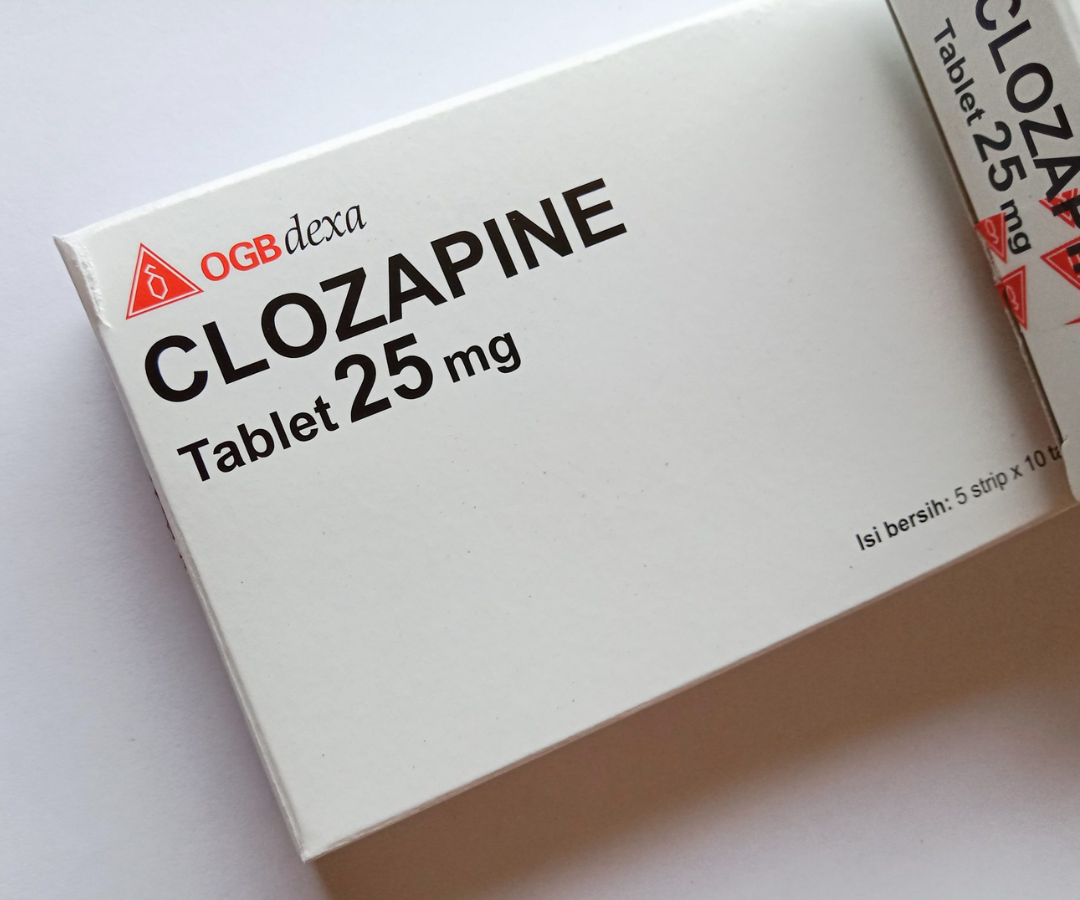
By Dr. Xavier Amador I have had many patients on Clozapine. It was the first atypical antipsychotic; it was synthesized in 1958 and first used in people in the 1970’s […]
Research Weekly
by Dr. Xavier Amador When my brother Henry developed schizophrenia, the impact rippled through our family in a number of specific ways. I have seen the same in countless families […]
Research Weekly
TAC is pleased to premiere Research Briefly, a periodic blog focused on timely research and pertinent information surrounding severe mental illness (SMI), with “What in the World is Anosognosia?” by […]
Research Weekly
by Hope Parker (February 7, 2024) Black individuals who are a part of the LGBTQ+ community report higher levels of psychological distress than the general population. These higher levels of […]
Research Weekly Uncategorized
by Jennifer M. Reingle Gonzalez, PhD, Rebecca Marcolina, MPH, Research, Data, & Analytics Team, and John Snook, JD, Chief Policy Officer, Meadows Mental Health Policy Institute In this guest post, […]
Research Weekly Suicide
By Shanti Silver (January 17, 2023) In December 2023, the Virginia Joint Legislative Audit and Review Commission staff released a report on Virginia’s nine state hospitals, including recommendations for the […]
Research Weekly
By Hope Parker (January 3, 2024) A new year brings new opportunities to advocate for effective, evidence-based care for people with severe mental illness. This January, Research Weekly will highlight […]
Research Weekly
(November 8, 2023) The summer of 2023 was considered the summer of extreme heat in America, with temperatures reaching the triple digits in many states across the United States. In early […]
Clinical Research Research Weekly SMI SMI Research
By Shanti Silver (November 1, 2023) Bipolar disorder is a mental illness characterized by alternating periods of depression and mania or hypomania. The disorder is estimated to impact more than […]
Clinical Research Research Weekly SMI SMI Research Suicide
By Elizabeth Sinclair Hancq Research Roundup is a monthly public service of the Office of Research and Public Affairs. Each edition describes a striking new data point about severe mental illness (SMI) and […]
Clinical Research Research Weekly SMI SMI Research Uncategorized
By Hope Parker (October 16, 2023) Black adults have greater barriers to accessing psychiatric care, such as a higher prevalence of intergenerational poverty and underinsurance, than their white counterparts. However, Black adults simultaneously remain overrepresented in […]
Clinical Research Research Weekly SMI SMI Research