
Reform Priorities: SMI Research & Funding
TAC supports research related to all aspects of severe mental illness (SMI), including clinical research for new treatments, epidemiological data on the prevalence of SMI diagnoses, and the impact of SMI on health, criminal legal, and social service systems. TAC works to promote accountability among government and other stakeholders, encouraging sustained focus on improving outcomes for individuals with SMI.
The decline in government research and funding toward severe mental illness
In 2024, the economic burden of schizophrenia was estimated to be over $360 billion. The majority of these costs were not driven by health care expenses but represent the cost of unpaid caregiving for people with schizophrenia, as well as losses in economic productivity both for people with schizophrenia and their caregivers.
Despite this, funding for schizophrenia research from the federal government, including the National Institute of Health (NIH) and the National Institute of Mental Health (NIMH), has decreased drastically over the past 40 years. While the NIMH has recently funded some important programming for people with SMI through the Early Psychosis Intervention Network (EPINET), the overall percentage of the NIH’s internal research resources dedicated to schizophrenia has decreased from 50% in 1984-1988 to 2% from 2018 to 2022. In 2025, only 18 new studies on schizophrenia spectrum disorders and one study on bipolar I disorder began with funding from the NIH. This can be compared with 63 studies on anxiety during the same time period.
The importance of funding clinical research on severe mental illness
Many studies funded by the NIMH on SMI are basic research, rather than clinical research. Basic research is defined by the NIH as research that creates greater knowledge of a condition but may not contribute directly to any specific intervention or use. This type of research is fundamental for uncovering genetic and biological mechanisms underlying SMI, and may translate into the discovery of new medications, diagnostic biomarkers, and biomedical cures for psychotic symptoms. However, this research does little to help people who are suffering because of their symptoms today. Clinical research, on the other hand, is defined by the NIH as research that is patient-oriented, uses human subjects, and focuses on outcomes and health services. One study with a 20-year lookback found that clinical research was more effective than basic research on improving the health, social well-being, and economic impact of schizophrenia spectrum disorders. Despite this, clinical research on SMI funded by the NIMH is estimated to have been reduced by 90% from the 1980s to early 2020s.
Priority areas for SMI research
Research into novel treatment interventions, research that aims to improve existing interventions, and research into the impact of public health policy are all needed to achieve a future where people with SMI can achieve sustained recovery.
Adults with schizophrenia are 3.5 times more likely to die prematurely than people without schizophrenia, with an average mortality gap of 14.5 years. While more research is needed across a number of domains to effectively reduce the mortality gap, there are several areas that may be especially high priority, including interventions for suicide prevention, improving insight, treating negative symptoms, managing side effects of antipsychotic medication, treating co-occurring health conditions, and improving quality of care.
TAC endorses a renewed push for investment in research into new medication and treatment breakthroughs, and inclusion of SMI into funded research portfolios for all relevant agencies and institutes.
Civil commitment can be an important part of the care continuum for people with SMI who lack capacity to make informed decisions about mental health treatment and who are at risk of deterioration, violence, self-harm, or death if left untreated. However, there has been a lack of research on the short- and long-term impacts of civil commitment, results of commitment hearings, and overall prevalence of inpatient and outpatient commitment. It is important to conduct more research in this area to understand characteristics of patients who most benefit from civil commitment, potential harms associated with civil commitment, and the mechanisms by which civil commitment is effective. Given that one study found the number of people who undergo inpatient civil commitment ranged from 13.5 per 100,000 people in Tennessee to 876 per 100,000 in Florida, it is also important to explore how variation in state policy impacts the number of people who receive civil commitment annually.
There have already been examples of hospital closures, termination of community services, and unnecessary death attributed to recent federal cuts to Medicaid. Systematic data collection is the foundation of building evidence-based policy. It is accordingly important to track the ongoing impacts of Public Law 119-21 on people with SMI.
Publications on SMI Research & Funding

I woke up searching frantically for my glasses on the nightstand — knocking over a glass of water before touching the wire rims. Pulling them on, I saw it was […]
Research Weekly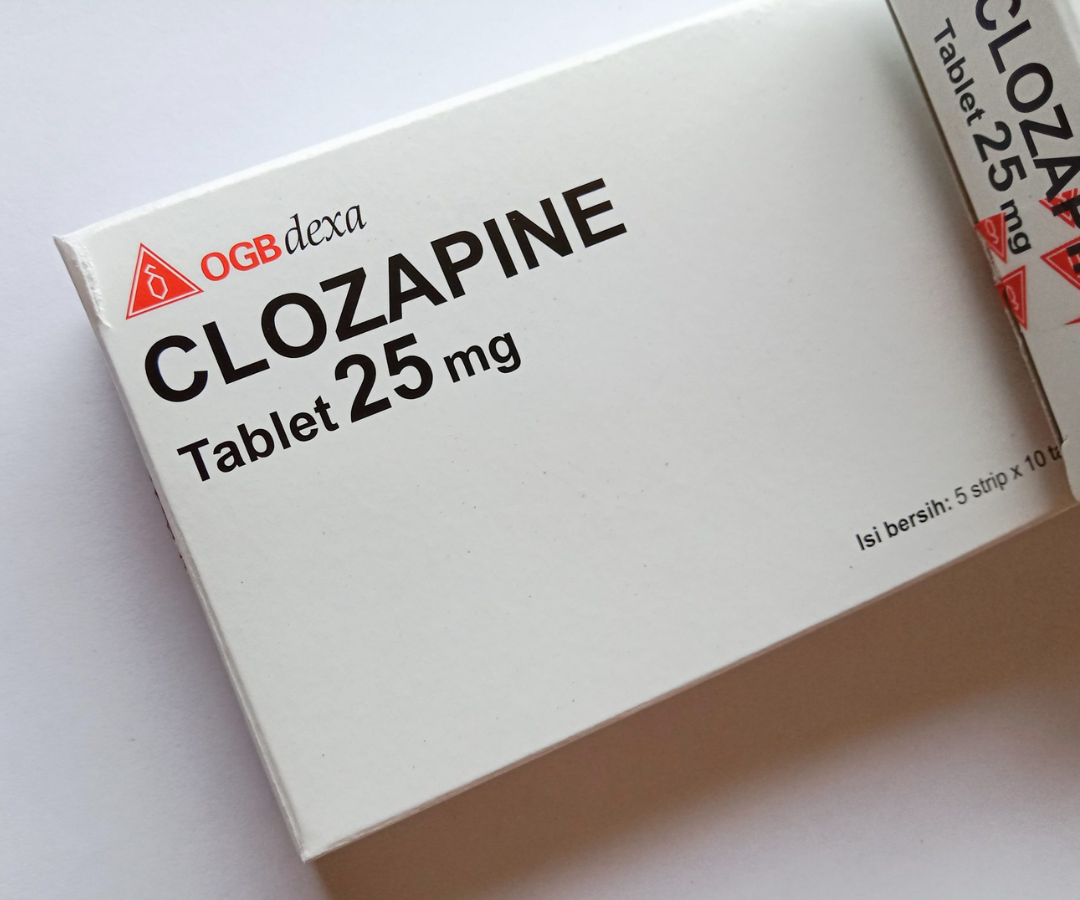
By Dr. Xavier Amador I have had many patients on Clozapine. It was the first atypical antipsychotic; it was synthesized in 1958 and first used in people in the 1970’s […]
Research Weekly
by Dr. Xavier Amador When my brother Henry developed schizophrenia, the impact rippled through our family in a number of specific ways. I have seen the same in countless families […]
Research Weekly
TAC is pleased to premiere Research Briefly, a periodic blog focused on timely research and pertinent information surrounding severe mental illness (SMI), with “What in the World is Anosognosia?” by […]
Research Weekly
by Hope Parker (February 7, 2024) Black individuals who are a part of the LGBTQ+ community report higher levels of psychological distress than the general population. These higher levels of […]
Research Weekly Uncategorized
by Jennifer M. Reingle Gonzalez, PhD, Rebecca Marcolina, MPH, Research, Data, & Analytics Team, and John Snook, JD, Chief Policy Officer, Meadows Mental Health Policy Institute In this guest post, […]
Research Weekly Suicide
By Shanti Silver (January 17, 2023) In December 2023, the Virginia Joint Legislative Audit and Review Commission staff released a report on Virginia’s nine state hospitals, including recommendations for the […]
Research Weekly
By Hope Parker (January 3, 2024) A new year brings new opportunities to advocate for effective, evidence-based care for people with severe mental illness. This January, Research Weekly will highlight […]
Research Weekly
(November 8, 2023) The summer of 2023 was considered the summer of extreme heat in America, with temperatures reaching the triple digits in many states across the United States. In early […]
Clinical Research Research Weekly SMI SMI Research
By Shanti Silver (November 1, 2023) Bipolar disorder is a mental illness characterized by alternating periods of depression and mania or hypomania. The disorder is estimated to impact more than […]
Clinical Research Research Weekly SMI SMI Research Suicide
By Elizabeth Sinclair Hancq Research Roundup is a monthly public service of the Office of Research and Public Affairs. Each edition describes a striking new data point about severe mental illness (SMI) and […]
Clinical Research Research Weekly SMI SMI Research Uncategorized
By Hope Parker (October 16, 2023) Black adults have greater barriers to accessing psychiatric care, such as a higher prevalence of intergenerational poverty and underinsurance, than their white counterparts. However, Black adults simultaneously remain overrepresented in […]
Clinical Research Research Weekly SMI SMI Research
Passionate about creating change? Us too.
Help us ensure that sufficient research funding is going toward the development of clinical treatments that will have an impact on individuals with SMI and their families in this lifetime.