Personally Speaking: For my son – and yours
By Betsy Johnson
I remember exactly when I officially became a “family member.” The date was April 4, 1993, at approximately 10:00 p.m. I had just finished tucking in my three newly adopted children, ages 8, 9 and 10, and my husband and I were lying in bed talking about our day.
Their caseworker dropped off the kids at noon that day. All of our family, friends and neighbors were waiting in the backyard to greet them. There were balloons, presents piled high of fishing poles, soccer balls and baseball mitts, and a huge chocolate cake on the picnic table. A big piñata in the shape of a house hung from our enormous elm tree, with the words “WELCOME” written across the side in block letters. The kids eagerly opened their presents, smiling and saying “thank you” after each one.
Later, after the party, we ate dinner and played with their new toys. When the day was over, I read them a story and we tucked them into their brand new beds. The day could not have gone better.
Then we heard the banging. I told my husband to stay in bed while I checked it out. It was coming from the boys’ room. I went in and saw my oldest son sitting up in bed banging his head against the wooden headboard. I sat down next to him and asked him why he was doing that. He could not tell me. I tried to reassure him that he was safe and loved and could look forward to a happy new life as a member of our family.
But five minutes later, I was holding my son in a basket style restraint – something Children’s Services’ insisted I learn despite my trying to convince them I would never need to use it.
Thus began our journey into the world of children’s mental health, therapy sessions, medications, IEPs, school suspensions, residential treatment, custody relinquishment, holding therapy, suicide attempts, hospitalizations, juvenile detention and jail.
In the midst of all the chaos that had become my life, I learned about an opening as a legislative liaison with the Ohio Department of Youth Services. I was working as an aide for a member of the Ohio Senate at the time and thought it would be a good idea to go work for juvenile corrections because, in all likelihood, our family would encounter that system eventually. The more I knew about it, the better. It was there I discovered that the line separating the justice system and the mental health system is thin indeed. Chance and a good advocate are often all that separates the two.
After five years at ODYS, I decided I would rather spend my energy improving the mental health system. When an opening became available at National Alliance on Mental Illness (NAMI) Ohio to serve as the associate executive director responsible for advancing public policy, I jumped at it.
In 2011, five “NAMI Mommies” came to meet with me to ask for NAMI Ohio’s help in changing the state’s civil commitment law. They all had grown children with severe mental illness who could not recognize their need for treatment — a condition known as anosognosia. Now they found themselves caught in the revolving door of hospitalization and/or incarceration. Boy, could I relate!
So together, with the help of the Treatment Advocacy Center, we set about changing the law to make it easier for judges to order certain individuals with severe mental illness into assisted outpatient treatment.
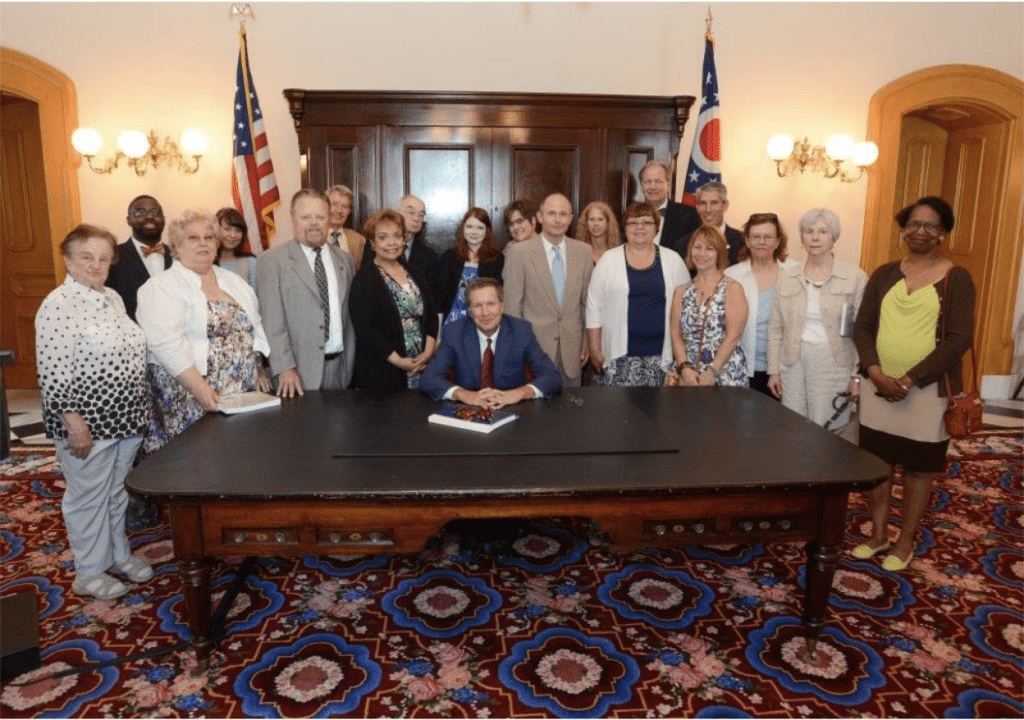
Three years later, the bill passed unanimously by the House and Senate and was signed into law by then Governor John Kasich, a family member himself. The bill signing was the pinnacle of my career. I went to sleep that night confident that hundreds of individuals in Ohio with SMI who were stuck in a vicious, downward spiral would soon be getting the help they needed.
Unfortunately, I quickly discovered that it would require massive amounts of education, encouragement and collaboration before counties would do the right thing and implement effective AOT programs. Again, I turned to the Treatment Advocacy Center to ask for assistance. They offered me a job instead.
Today, I am paid to do what I love: help communities implement quality AOT programs. I do this by walking side-by-side with local AOT champions and giving them the tools they need to succeed.
Thankfully, my son’s situation has not become so dire as to require AOT. However, it is a comfort to know that there is an AOT program available in his county should he need it. What disturbs my sleep nowadays are thoughts of all the other mothers out there whose sons or daughters live in communities that do not offer AOT. They are the reason I do this work now.
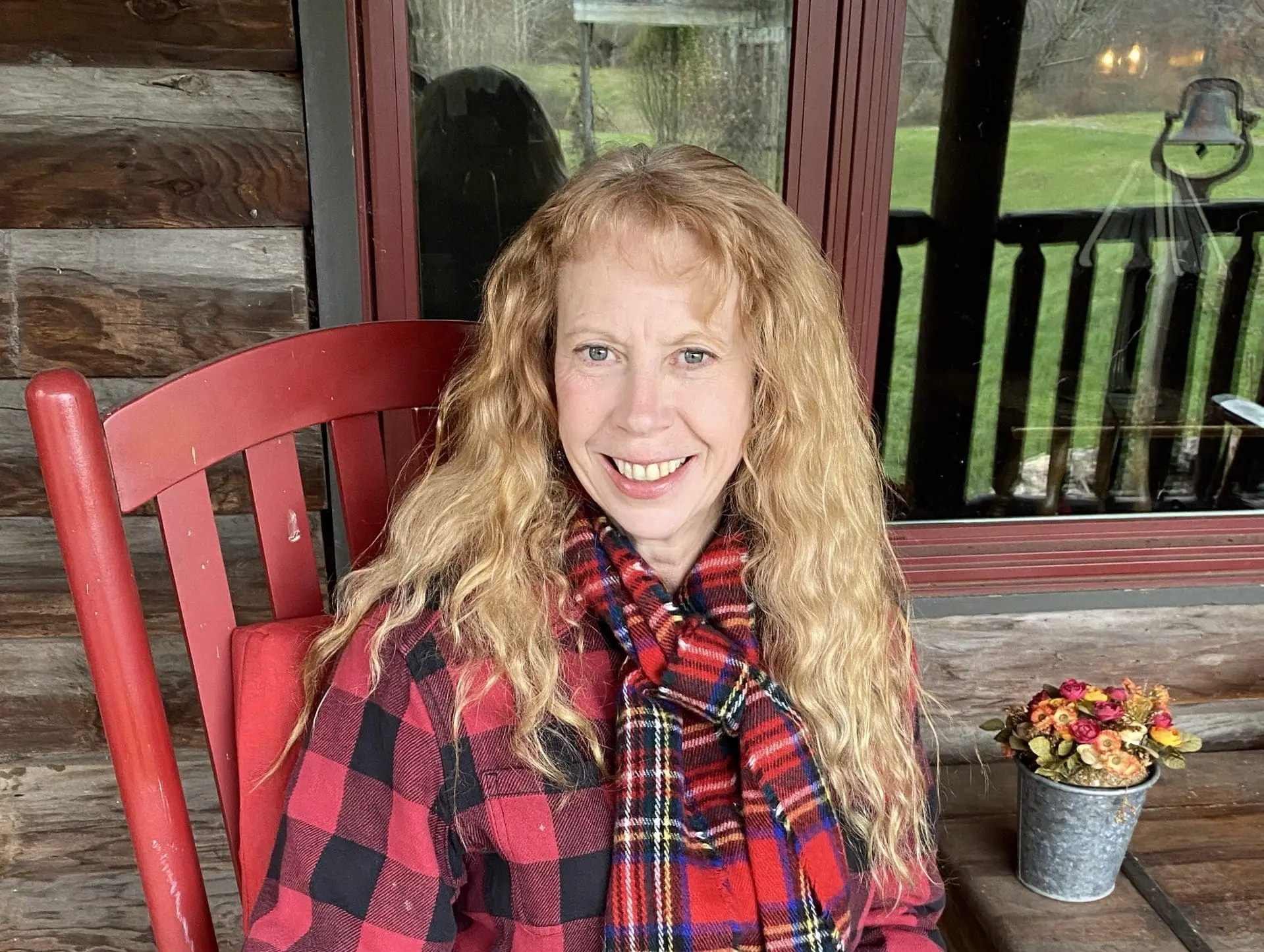
Betsy Johnson is an implementation specialist at Treatment Advocacy Center.
Personally Speaking: For my son – and yours