A long tortuous road to hope: one state hospital experience in California
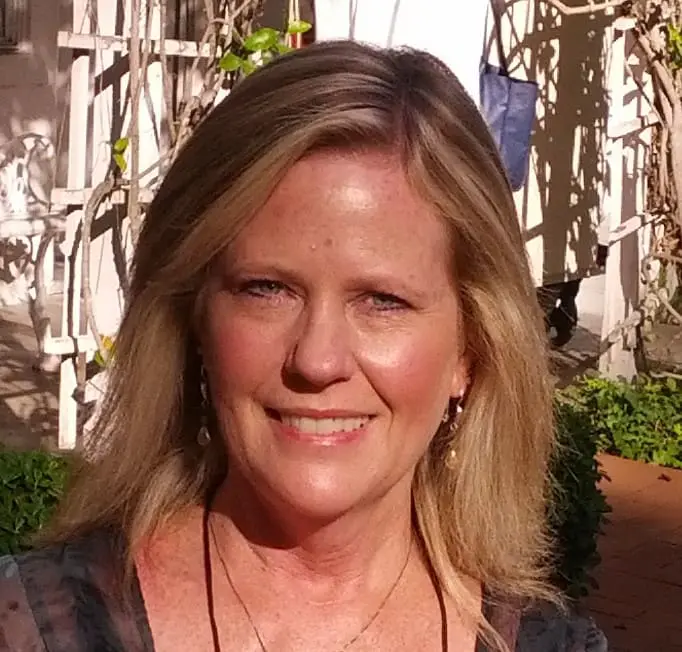
By: Elizabeth Scott Ulmer
My son was diagnosed with Bipolar I at age 16. He experienced a Not Guilty by Reason of Insanity (NGRI) commitment to the California Department of State Hospitals when he was 28. This forensic event was the result of him going AWOL from a psychiatric outpatient facility, only to be arrested the next day for resisting an officer. No one looked at his history to see that he was missing from the facility. In his psychotic state, he was brandishing a stick at two fast-food workers and responding officers, believing he was defending a missing girl whose picture was on the restaurant’s wall.
The twelve years between diagnosis and hospitalization were an exhausting journey, with more than eight revolving, short psychiatric “51:50” 72-hour (or more) holds, outpatient trials, numerous housing situations, a restraining order, arrests, and probation. He spent two years in jail for the fast-food incident because of 34 canceled court dates. Even with my constant advocacy, he was bounced between regular court and mental health court.
When my son was 20 years old, I wrote a letter to our congressman and insurance carrier, begging for him to receive care in a locked psychiatric facility. This was met with absolutely no action. When mental health court was finally decided, and he arrived at a California state hospital after the two-year wait in jail, I experienced incomparable relief and hope. I believed he would finally get the help he needed.
Our nine-year hospital journey included visits with my son every two weeks, membership in a Family-to-Family support group that included hospital officials, in which we attended monthly meetings and special events, communication with his treatment teams, as well as a “hurry up and wait” pattern. My son always signed consent for me to receive information about him, whereas many families do not obtain consent from their loved one, so I was able to be a strong advocate for all his experiences. And his experiences were unique.
In 2018, my son met and married another patient in the hospital. They were legally married, this being a patient right, in the visiting center and they have been married for more than six years. They have not yet lived together as husband and wife, but their relationship is very solid. His wife has been out in a conditional release program, CONREP, for two years, and, as my son progresses, they have support from CONREP to get them together as soon as possible. Theirs is true love and I am a loving mother and mother-in-law.
Other standouts for my son included a successful correspondence course in electrical engineering. He graduated from the course in the 97th percentile of his class. This affords him a potential career as he exits the hospital. Also, he worked as a grounds worker for one of many hospital programs that allowed him to earn money and receive a letter of recommendation for his six-year employment. These successes, and the programs within his plan to exit, such as Dialectical Behavior Therapy (DBT), are paramount to a hope-filled transition to community. Setbacks did and do exist, however.
Because of the nature of communal living, and so many varied needs of residents and treatment teams, my son was often moved from one unit to another. Every time a resident is moved, they have a new treatment team, and this change can be particularly difficult for the patient. It certainly was for my son, and this caused him to have setbacks. The worst situation involved a med change and mania episode that caused a major delay in his exit. When the COVID-19 pandemic occurred, isolation became a major problem for patients who already had a need for less confinement. I cannot count how many times he was in isolation because someone tested positive for the virus.
Many of the hospital staff were approachable and supportive of my son and our family involvement. I feel like we have formed lasting relationships within the Family-to-Family group, and this type of group should be an essential part of the state hospital system. Our hospital is the only one with this type of group currently in California. Not only should the hospital systems be increased to open civil and forensic beds to more individuals, community/family systems must also be in place.
At this writing, we are awaiting my son’s release into California’s CONREP after nine years in the hospital. CONREP will oversee where he lives in the community, provide monitoring and support, and have the authority to return him to the hospital if he cannot make it. The program is not perfect, but it is evolving and becoming more empowered to assist in exit transitions. I am once again very hopeful.