
Preventable Tragedies: Suicide
Suicide is a leading cause of preventable death for people with severe mental illness (SMI) and has a devastating impact on families and communities. Although the frequency of suicide is tragic and alarming, there is hope. Treatments focused on preventing suicidal thoughts and behaviors have been shown to decrease suicide and self-harm for people with SMI. If you or someone you know is having thoughts of self-harm or suicide, please call or text 988 to reach the National Suicide and Crisis Lifeline. A counselor from this lifeline is available to speak with you at any time of day, 365 days a year.
How common are suicidal thoughts and behaviors for people with SMI?
Suicidal thoughts and behaviors are much more common among people with SMI than the general population. Research suggests that 35% of people with schizophrenia experience suicidal ideation at some point in their life. At any given time, six to 13% of people with schizophrenia are estimated to have an active plan for suicide.
Rates of attempted suicide are also high for many types of SMI diagnoses. One systematic review and meta-analysis found that 20% of people with schizophrenia attempted suicide at some point in their lifetime. This was true for 47% of people with schizoaffective disorder, 11% of people with delusional disorder, and 13% of people with first-episode psychosis. Among people with bipolar disorder, up to 60% attempt suicide at some point in their lifetime, and five to 20% die by suicide. These rates are much higher than that of the general population, 5.5% of whom have serious thoughts of suicide and 0.8% of whom attempt suicide.
When are people with SMI most at risk for suicide?
Over the course of a person’s illness, symptoms, circumstances, and suicide risk can vary. Research suggests there are a number of factors associated with increased risk of suicide for people with severe mental illness including co-occurring depression, recent improvements in insight, abuse of stimulants, and poor treatment adherence. Suicide risk is also greater during the first few years of the illness and in the weeks following discharge from an inpatient hospitalization.
Are there any evidence-based treatments for decreasing suicide and self-harm for people with SMI?
People with SMI, particularly those who are at an elevated risk of suicide, should be provided with evidence-based, individualized treatment plans to help mitigate suicide risk. Early-intervention services, the antipsychotic clozapine, and psychosocial treatments like intensive case management have some evidence supporting their ability to decrease suicide risk among people with psychotic disorders. However, there are still many unknowns about the best ways to prevent suicide among people with severe mental illness.
Do you have any resources for friends and family members?
Yes, our Schizophrenia and Psychosis Resource Center has a number of resources that you may find helpful, including resources on how to make your home safer for someone experiencing suicidal ideation and how to plan for emergencies. You can also send our team an email at help@tac.org, and we will respond within one to three business days. If you are experiencing an emergency, please contact 988.
As many as one in four people with a schizophrenia spectrum or other psychotic disorder attempt suicide.
Explore recent research and resources about suicide
Our Research Weekly blog delivers updates on cutting-edge research and information about SMI, straight to your inbox.

By Allen Nelson Allen Nelson resides in Santa Monica, CA. He has three sons with his wife Rose. Brandon resides in heaven, Trent in Boston and Justin in Santa Monica. […]
Hospital Access Hospitalization Personally Speaking Suicide
I woke up searching frantically for my glasses on the nightstand — knocking over a glass of water before touching the wire rims. Pulling them on, I saw it was […]
Research Weekly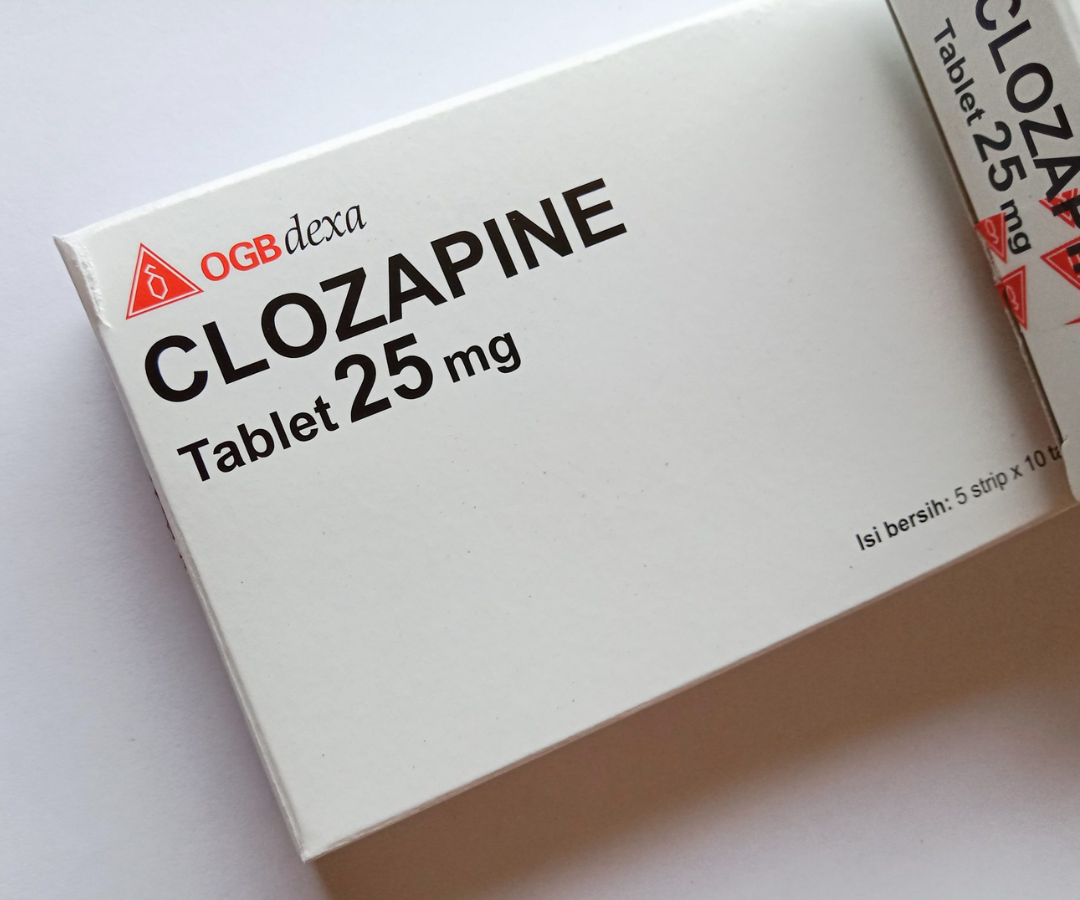
By Dr. Xavier Amador I have had many patients on Clozapine. It was the first atypical antipsychotic; it was synthesized in 1958 and first used in people in the 1970’s […]
Research Weekly
by Dr. Xavier Amador When my brother Henry developed schizophrenia, the impact rippled through our family in a number of specific ways. I have seen the same in countless families […]
Research Weekly
TAC is pleased to premiere Research Briefly, a periodic blog focused on timely research and pertinent information surrounding severe mental illness (SMI), with “What in the World is Anosognosia?” by […]
Research Weekly
by Hope Parker (February 7, 2024) Black individuals who are a part of the LGBTQ+ community report higher levels of psychological distress than the general population. These higher levels of […]
Research Weekly Uncategorized
by Jennifer M. Reingle Gonzalez, PhD, Rebecca Marcolina, MPH, Research, Data, & Analytics Team, and John Snook, JD, Chief Policy Officer, Meadows Mental Health Policy Institute In this guest post, […]
Research Weekly Suicide
By Shanti Silver (January 17, 2023) In December 2023, the Virginia Joint Legislative Audit and Review Commission staff released a report on Virginia’s nine state hospitals, including recommendations for the […]
Research Weekly
By Hope Parker (January 3, 2024) A new year brings new opportunities to advocate for effective, evidence-based care for people with severe mental illness. This January, Research Weekly will highlight […]
Research Weekly
(November 8, 2023) The summer of 2023 was considered the summer of extreme heat in America, with temperatures reaching the triple digits in many states across the United States. In early […]
Clinical Research Research Weekly SMI SMI Research
By Shanti Silver (November 1, 2023) Bipolar disorder is a mental illness characterized by alternating periods of depression and mania or hypomania. The disorder is estimated to impact more than […]
Clinical Research Research Weekly SMI SMI Research Suicide
By Elizabeth Sinclair Hancq Research Roundup is a monthly public service of the Office of Research and Public Affairs. Each edition describes a striking new data point about severe mental illness (SMI) and […]
Clinical Research Research Weekly SMI SMI Research Uncategorized