
Preventable Tragedies: Victimization
People with severe or serious mental illness (SMI) are more likely to be victims of violence and crime than the general population. This pattern is referred to as victimization. Victimization frequently involves theft of clothing or money but also includes violence such as assault, emotional abuse, and murder. Women with serious mental illness experience heightened risk of victimization and sexual violence.
Who is most at risk for victimization?
Many factors beyond an SMI diagnosis can further increase an individual’s likelihood for victimization. These factors include:
- Lack of treatment
- Severe symptoms
- Female gender
- Co-occurring substance abuse
- Homelessness
- Engagement with criminal activity
People with serious mental illness may be up to 5-17 times more likely to experience sexual violence than the general population.
Explore recent research and resources about victimization
Our Research Weekly blog delivers updates on cutting-edge research and information about SMI, straight to your inbox.

I woke up searching frantically for my glasses on the nightstand — knocking over a glass of water before touching the wire rims. Pulling them on, I saw it was […]
Research Weekly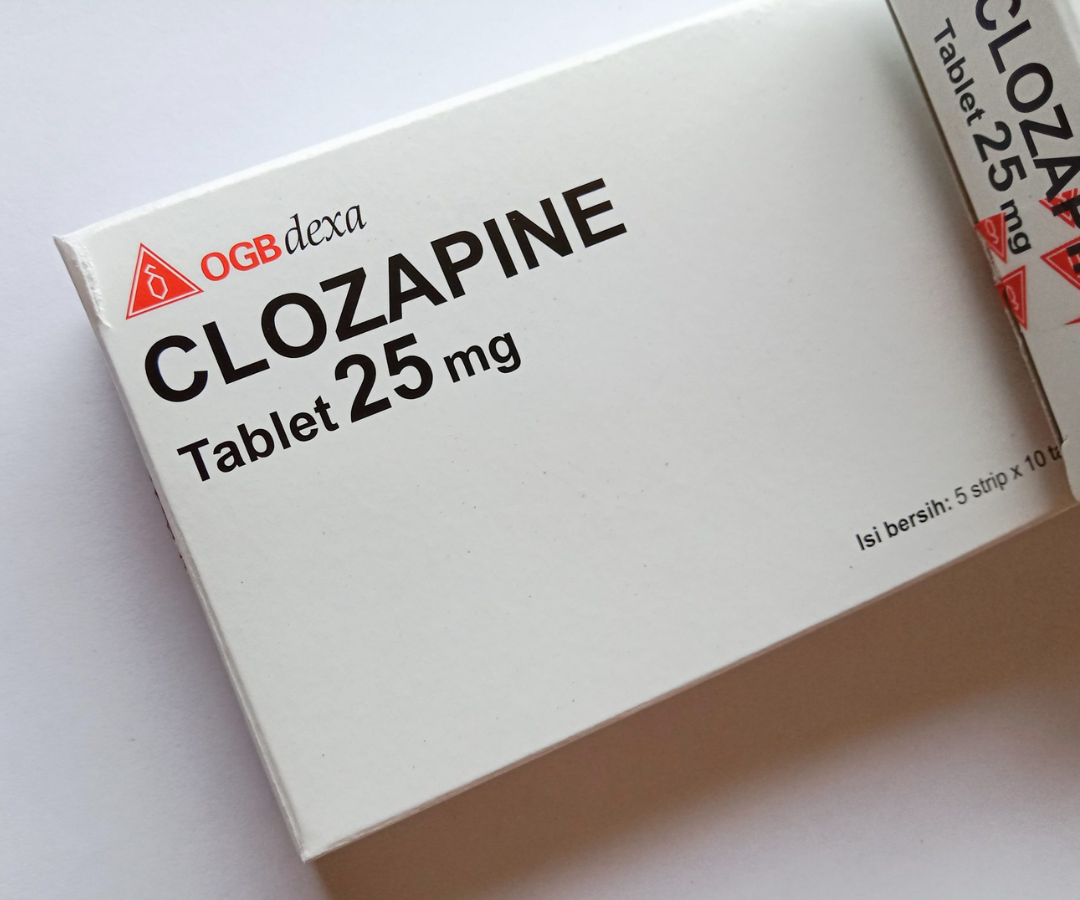
By Dr. Xavier Amador I have had many patients on Clozapine. It was the first atypical antipsychotic; it was synthesized in 1958 and first used in people in the 1970’s […]
Research Weekly
by Dr. Xavier Amador When my brother Henry developed schizophrenia, the impact rippled through our family in a number of specific ways. I have seen the same in countless families […]
Research Weekly
TAC is pleased to premiere Research Briefly, a periodic blog focused on timely research and pertinent information surrounding severe mental illness (SMI), with “What in the World is Anosognosia?” by […]
Research Weekly
by Hope Parker (February 7, 2024) Black individuals who are a part of the LGBTQ+ community report higher levels of psychological distress than the general population. These higher levels of […]
Research Weekly Uncategorized
by Jennifer M. Reingle Gonzalez, PhD, Rebecca Marcolina, MPH, Research, Data, & Analytics Team, and John Snook, JD, Chief Policy Officer, Meadows Mental Health Policy Institute In this guest post, […]
Research Weekly Suicide
By Shanti Silver (January 17, 2023) In December 2023, the Virginia Joint Legislative Audit and Review Commission staff released a report on Virginia’s nine state hospitals, including recommendations for the […]
Research Weekly
By Hope Parker (January 3, 2024) A new year brings new opportunities to advocate for effective, evidence-based care for people with severe mental illness. This January, Research Weekly will highlight […]
Research Weekly
(November 8, 2023) The summer of 2023 was considered the summer of extreme heat in America, with temperatures reaching the triple digits in many states across the United States. In early […]
Clinical Research Research Weekly SMI SMI Research
By Shanti Silver (November 1, 2023) Bipolar disorder is a mental illness characterized by alternating periods of depression and mania or hypomania. The disorder is estimated to impact more than […]
Clinical Research Research Weekly SMI SMI Research Suicide
By Elizabeth Sinclair Hancq Research Roundup is a monthly public service of the Office of Research and Public Affairs. Each edition describes a striking new data point about severe mental illness (SMI) and […]
Clinical Research Research Weekly SMI SMI Research Uncategorized
By Hope Parker (October 16, 2023) Black adults have greater barriers to accessing psychiatric care, such as a higher prevalence of intergenerational poverty and underinsurance, than their white counterparts. However, Black adults simultaneously remain overrepresented in […]
Clinical Research Research Weekly SMI SMI ResearchResources Feed

People diagnosed with severe mental illnesses like schizophrenia are more likely than the general population to be victims of crime. Victimization of people with SMI often takes the form of […]
Health Disparities