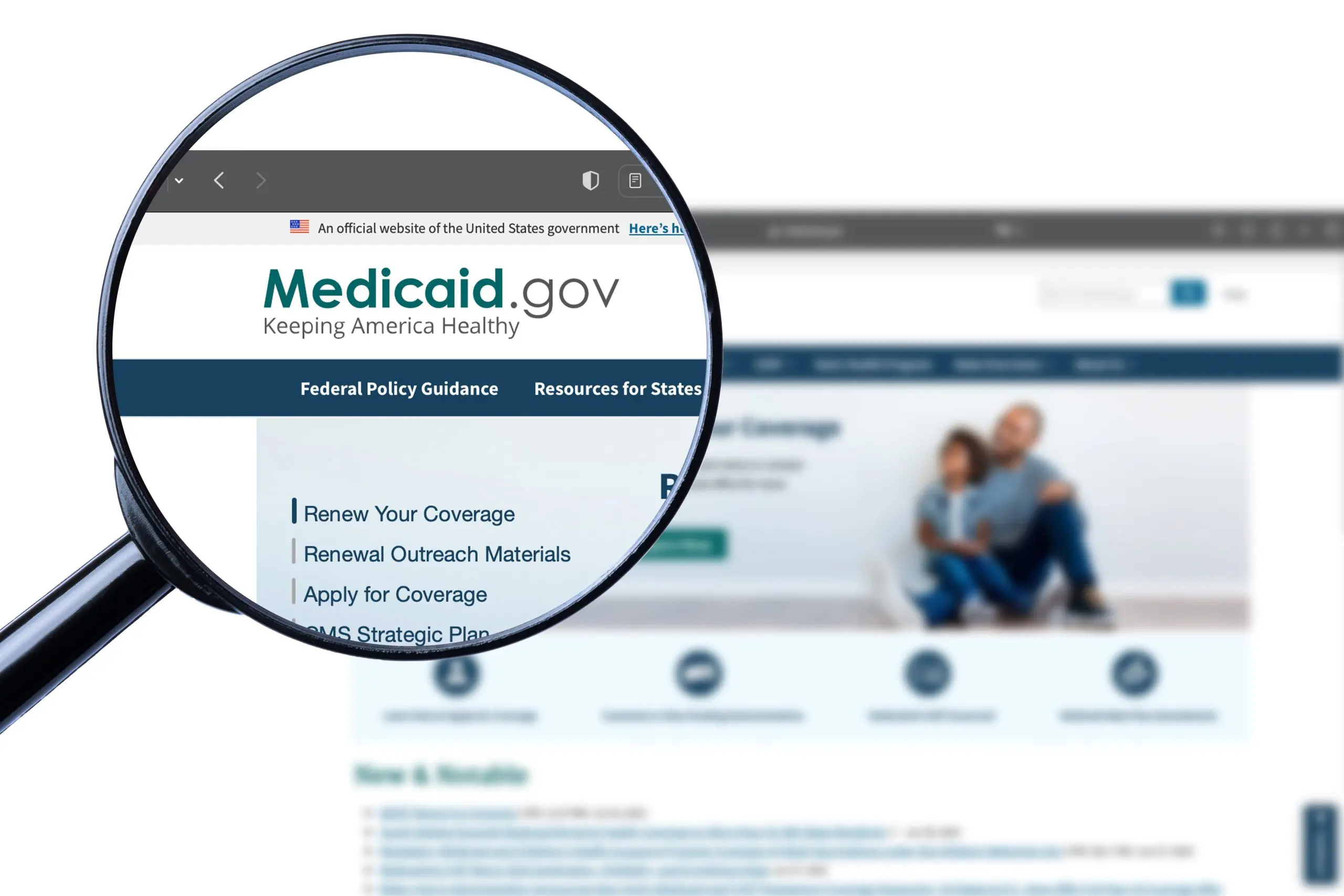
Statement on Impact of Medicaid Cuts for those with Severe Mental Illness
Treatment Advocacy Center (TAC) joins the broad, nonpartisan chorus of voices urging Congress to reject radical cuts to Medicaid in the proposed budget resolution.
People with severe mental illness are among the most vulnerable in society. Loss of Medicaid benefits for any amount of time will mean the difference between stability and psychosis, being housed or not, and surviving or falling into hunger, illness, victimization, or early death. For many of our loved ones with severe mental illness, access to medication is a matter of life and death. Many are only a few missed doses away from losing everything, because of disabling illnesses that are not a choice but a matter of very bad luck. Those of us not struggling with mental illness avoid a similar fate by grace and good fortune alone.
On Wednesday, House Republicans released a budget resolution for fiscal year 2025 that instructs seven committees to cut mandatory spending in healthcare by $880 billion. Many fear that Medicaid is the unvoiced but intended target. Campaign promises not to cut Medicaid are fresh in the minds of voters, and none more so than the individuals who, along with their families, rely on Medicaid for access to daily medication needed to avoid slipping into psychosis.
Time is of the essence as both House and Senate are currently working to pass a budget resolution that they can push through the reconciliation process. The Senate is expected to consider the budget resolution next week on the Senate floor.
On behalf of families and individuals affected by severe mental illness, we urge Congress to step back from the inevitable catastrophe that will result from the sudden loss of lifesaving medication for approximately 8 million Medicaid recipients diagnosed with severe mental illnesses like schizophrenia, bipolar disorder, and other psychotic illnesses.
Our loved ones with these diagnoses will not disappear simply because their access to medicine does, and we as a society will shoulder those burdens in other parts of our budget at vastly higher cost. It is not an exaggeration to say that ending Medicaid for those with severe mental illness will end or destroy many, many lives and drive people unnecessarily into emergency rooms and jails across the country. Families will find their savings and resources drained as they try to prevent this disaster from unfolding.
We urge members of Congress not to take an action that will hurt so many of their constituents and inevitably cost more in unintended consequences than could ever be saved with such a pound-foolish and short-sighted plan.