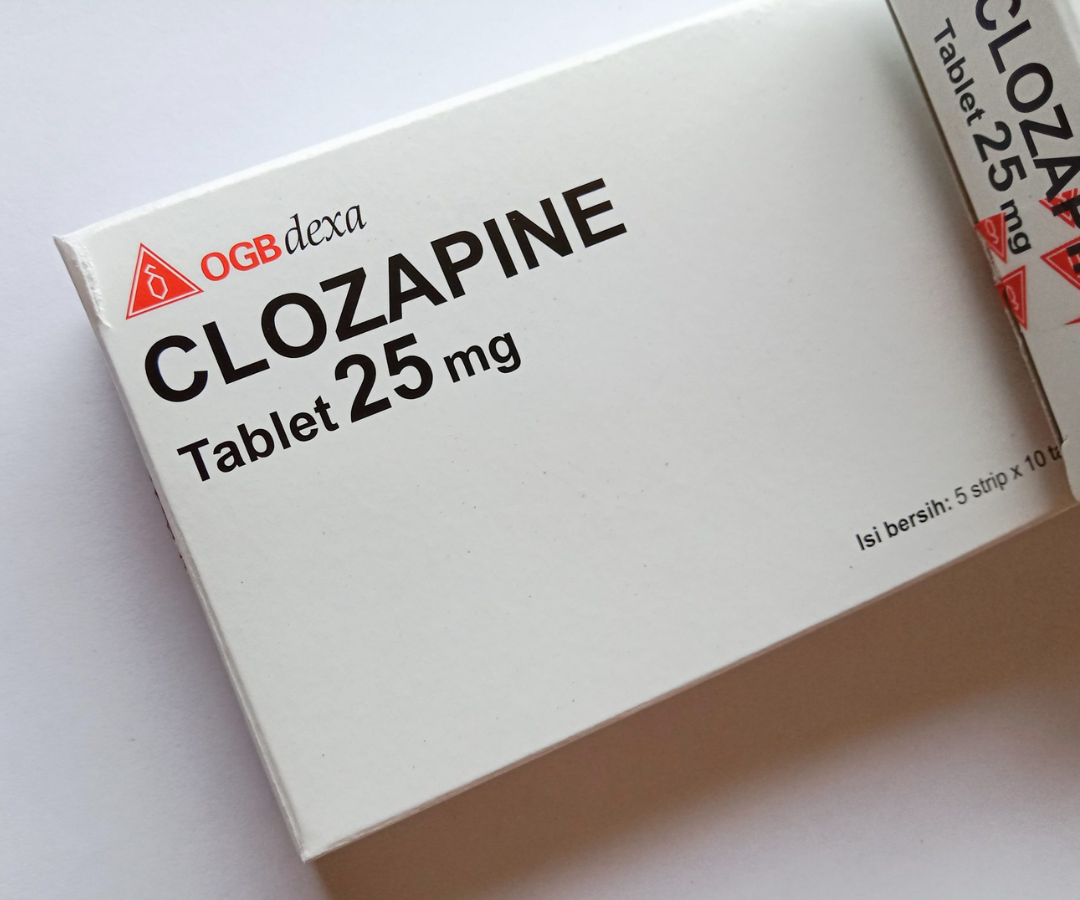
RESEARCH WEEKLY: Improving medication adherence
(Jan. 5, 2016) Those who live with psychotic disorders – the individuals, their family members, caregivers and others nearby – inevitably live with the issue of medication adherence. Literature reviews on the subject typically report average rates of adherence in the 40-60% range; the NIMH estimates that approximately half the population with severe bipolar disorder or schizophrenia is not receiving treatment on any given day.
Yet medication adherence is the linchpin of improved outcomes. Antipsychotic medications are effective in controlling the hallucinations and paranoid delusions of schizophrenia and other psychotic conditions – symptoms that can severely disrupt daily living. Individuals with psychotic disorders who adhere to prescribed antipsychotics are less likely to be violent or victimized, involved with the criminal justice system, homeless, hospitalized or to experience a host of other circumstances. They also report higher quality of life.

Zachary Predmore et al. of the RAND Corporation have now added an economic dimension to the discussion of adherence. Using a financial model based on published data, the authors concluded that an annual net savings of $3.28 billion would be realized by states if patients with schizophrenia receiving public benefits adhered more completely to their antipsychotic medication prescriptions.* Despite the increase in costs for prescription drugs with higher adherence rates (projected at $462 million), net savings were estimated at $1,580 per patient. Most of the estimated savings would result from lower hospitalization rates ($2.54 billion), lower rates of criminal justice system involvement ($684 million) and lower costs for outpatient care ($514 million).
Strategies for Improving Adherence
Evidence that some interventions improve adherence to antipsychotic medications and improve outcomes exists. Stefan Priebe et al. conducted a randomized controlled trial in the United Kingdom to assess the influence of small economic incentives (under $25) on adherence to antipsychotic injections over a 12-month period. The researchers reported “significantly higher” adherence among study participants who were given a cash payment immediately after receiving their injections. On average, the financially incentivized group received 85% of their prescribed antipsychotic injections; the control group, which received no incentives, received 67% of prescribed injections. The odds of patients adhering at a rate of 95% also were significantly higher. More than one-quarter of the incentivized group achieved adherence of at least 95% compared with 5% of the controls that received no incentives.
Other intervention strategies that have produced mixed or contradictory results include replacing oral medications with long-acting injectable antipsychotics, medication management programs and the use of signs, alarms, checklists and electronic medication monitoring.
Ultimately, improving antipsychotic medication adherence – with all its attendant impacts on costs and outcomes – requires a better understanding of what influences adherent behavior. K.V. Sendt et al. conducted a tightly focused review of adherence studies published between 1980 and June 2012 involving 6,235 patients. They report that positive attitude toward medication and insight into illness were the only factors consistently associated with greater adherence. Evidence about the role of side effects – commonly blamed for non-adherence – was weak or contradictory.
* The authors do not define “adherence.” Generally, taking medication as prescribed 75-80% of the time has been considered an adequate level of compliance.
References:
Predmore, Z. et al. (2015). Improving antipsychotic adherence among patients with schizophrenia: Savings for states. Psychiatric Services.
Priebe, S., et al. (7 October 3013). Effectiveness of financial incentives to improve adherence to maintenance treatment with antipsychotics: Cluster randomized controlled trial. BMJ.
Sendt, K.V., et al. (2014) A systematic review of factors influencing adherence to antipsychotic medication in schizophrenia-spectrum disorders. Psychiatry Research.