RESEARCH WEEKLY: Beyond raising cain: the role of serious mental illness in family homicide
(July 12, 2016) The toll of being principle caregiver for a mentally ill loved one, already well-documented, has expanded with the Treatment Advocacy Center’s release of Raising Cain: The Role of Serious Mental Illness in Family Homicide. The first study to examine the relationship between psychiatric disease and family violence found that a serious mental illness is present in nearly 30% of all family homicides.
Based on a review of the relevant literature from 1960 to 2015, the role of diseases such as schizophrenia and bipolar disorder was estimated to be a factor in 50% of cases when parents kill children and nearly 70% when children kill parents. An emerging pattern of mental illness in homicides against grandparents also was found.
More from E. Fuller Torrey
E. Fuller Torrey, MD, conducted the research as lead author, a role he has repeatedly assumed since founding the Treatment Advocacy Center in 1998. Dr. Torrey’s record of exposing important issues that have been overlooked is well-established. When asked about the impact of this body of work, he demurs, explaining that he, “focuses on what interests him.” Thankfully, his interests include an unrelenting focus on the plight of individuals and families living with untreated severe mental illness.

Previous Treatment Advocacy Center studies Dr. Torrey conducted include:
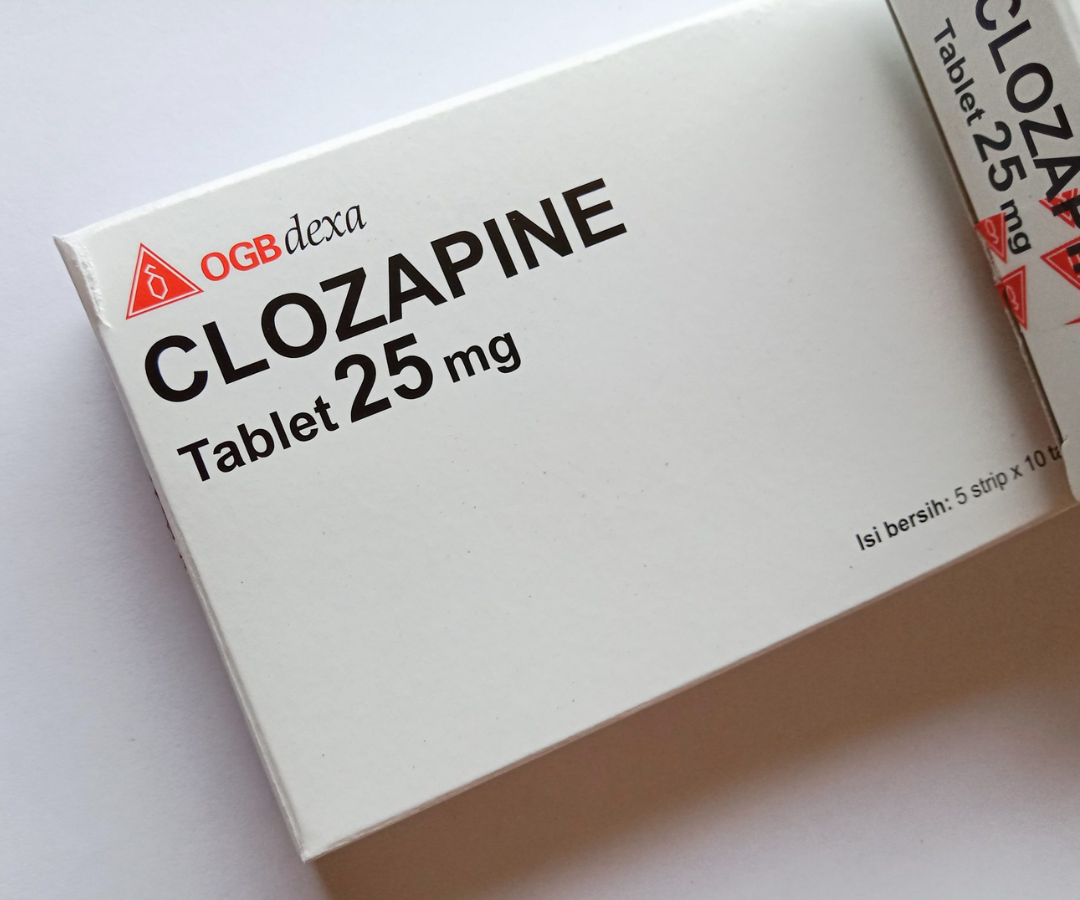
- Clozapine for treating schizophrenia: A comparison of the states (2015), documenting how dramatically the use of “gold-standard” medication for psychotic disorders varies among the states
- The treatment of persons with mental illness in prisons and jails: A state survey (2014), reporting that individuals with serious mental illness are 10 times more likely to be in prisons or jails than in state psychiatric hospitals
- No room at the Inn: Trends and consequences of closing public psychiatric hospitals (2012), finding that state hospital bed populations declined 14% nationally from 2005-2010
Other Contributions
For decades, Dr. Torrey’s unique vision and iconoclastic research has reshaped our understanding of mental illness and its treatment. In 1983, one of his first books, Surviving Schizophrenia: A Family Manual, radically departed from psychiatry orthodoxy by declaring that disease, not bad mothers, caused schizophrenia. The proposal electrified – or infuriated – psychiatrist colleagues who, for decades, had embraced the Freudian conviction that “schizophrenogenic mothers” were to blame. With this single book, now in its sixth edition, generations of mothers (and fathers) had authoritative proof that their children’s suffering was not their fault.
Dr. Torrey continues to challenge the status quo in his research, focusing on the role of infection in schizophrenia. Previously considered heretical by many researchers, Torrey’s work is now widely recognized as opening important research avenues for medicine all across the world.
His analysis of our nation’s policies around mental illness feature that same willingness to question convention. His book, American Psychosis: How the Federal Government Destroyed the Mental Illness Treatment System, and his personal advocacy for changes to the mental health system have been widely credited for catalyzing the reform efforts being seen in the halls of Congress today. The Helping Families in Mental Health Crisis Act, which was passed by the House of Representatives on a vote of 422-2 on July 6, includes a host of reforms championed by Dr. Torrey in hearings and in his book.
Raising Cain adds critical new evidence to the case for mental health policy reform that delivers timely and effective treatment for serious mental illness. What’s not new is that it came from Dr. E. Fuller Torrey.
References:
Torrey, EF. (2016) Raising Cain: The role of serious mental Illness in family homicides. Treatment Advocacy Center.
Torrey, EF. (2015). Clozapine for treating schizophrenia: A comparison of the states. Treatment Advocacy Center.
Torrey, EF. (2014). The treatment of persons with mental illness in prisons and jails: A state survey. Treatment Advocacy Center.
Torrey, EF. (2012). No room at the Inn: Trends and consequences of closing public psychiatric hospitals. Treatment Advocacy Center.