RESEARCH WEEKLY: Beyond going, going, gone: beds behind bars
(June 7, 2016) Going, Going Gone – the Treatment Advocacy Center’s newest survey of psychiatric beds in the 50 states and District of Columbia – does not report numbers for one category: beds in psychiatric units on state prison grounds.

“Some states have built high- or medium-security forensic hospitals on prison grounds for mentally ill inmates . . . ,” said the report subtitled Trends and Consequences of Eliminating State Psychiatric Beds, 2016. “Beds behind bars are not counted in this survey because we regard this practice as an inhumane and unacceptable public policy for the treatment of disease.”
Psychiatric beds are increasingly being opened behind bars to “solve” or reduce state bed shortages by diverting mentally disordered offenders from state hospitals to prisons.
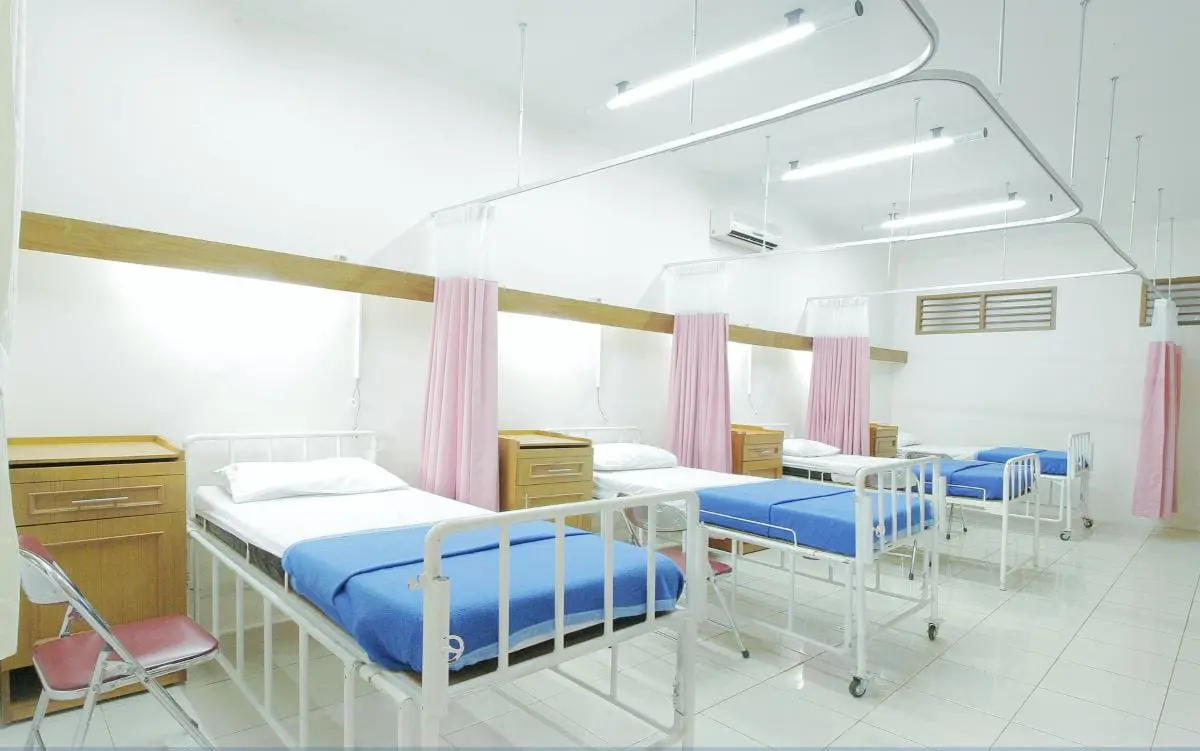
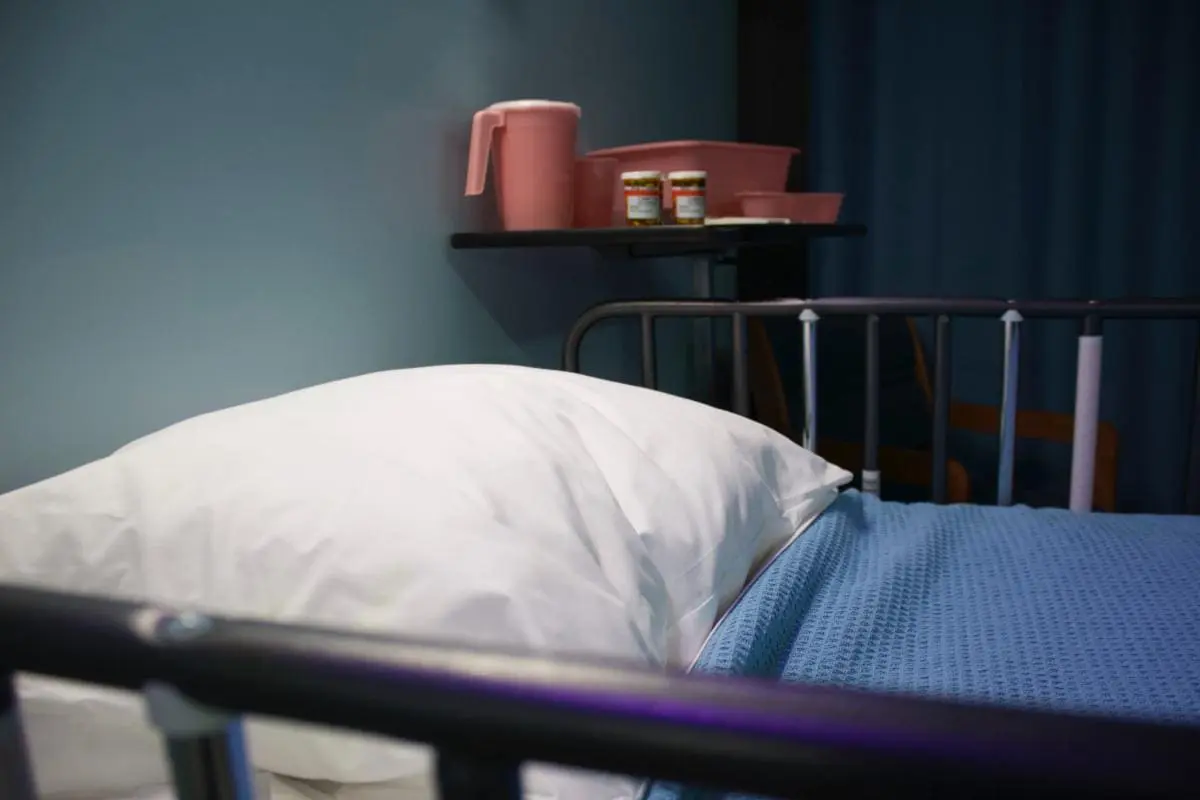
While this may reduce demand for state hospitalization, it frames serious mental illness as a crime and subjects acutely ill individuals to settings like the ones illustrated in the accompanying photographs by Nancy West of the New Hampshire Center for Public Interest Journalism – hardly the picture of therapeutic care.
Growing, Growing Beds
We did not survey for psychiatric beds on prison grounds because they may not be certified and are not therapeutic. Therefore, they are not comparable to state hospital beds. Nonetheless, a number of states reported their beds behind bars to the survey conducted by our Office of Research & Public Affairs or publish their numbers online. These anecdotes illustrate a range of approaches.
- California reported 5,905 total state hospital beds in the first quarter of 2016. Of those, the vast majority – all but about 1,500 beds – were occupied by forensic patients. However, the state reports an additional 1,077 beds on the grounds of medium- or high-securityprisons. This means nearly 80% of all state-operated beds left in California are occupied by people admitted to a bed through the criminal justice system.
- Massachusetts reported 608 state psychiatric beds, of which only 11.5% were occupied by forensic patients – among the lowest forensic occupancy rate in the nation. However, the state houses an unreported number of additional forensic patients at Bridgewater State, a “hospital” run by the Department of Corrections.
- Kentucky, Minnesota, New Hampshire and South Dakota reported no forensic beds in their state hospitals because all criminal offenders who require psychiatric services are hospitalized on state prison grounds. This applies whether the patient – typically in acute psychiatric crisis – has been convicted of a crime or not. In New Hampshire, even selected civil (non-criminal) patients also are confined to in the state’s Secure Psychiatric Unit (SPU) within the prison compound (see photographs).
Registered nurse Beatrice Coulter worked for four days in New Hampshire’s SPU (or “spew,” as state officials refer to the unit) before quitting in disgust. Writing in the Concord Monitor, Coulter summed up several of the issues with beds behind bars succinctly.
- Purpose: “Detention in a prison is not treatment. It is custodial management.”
- Milieu: A prison is not a “therapeutic environment.”
- Oversight: In states like New Hampshire and Massachusetts, where beds behind bars are under control of the state’s corrections system, they are run by people who “are not subject matter experts on the treatment of the mentally ill.”
As the authors of Going, Going, Gone wrote, “Beds behind bars effectively bring the criminalization of mental illness full circle-back to colonial times and the early 19th century, when the mentally ill were routinely jailed or kept in poor houses. We would not call it just to incarcerate a man who crashed his car because he had a heart attack behind the wheel. Why would a just society incarcerate those with serious mental illness for the equivalent?”
References:
Fuller, DA et al. (2016). Going, Going, Gone: Trends and Consequences of Eliminating State Psychiatric Beds, 2016.Treatment Advocacy Center.
Coulter, B. (28 February, 2016). “The trouble with New Hampshire’s Secure Psychiatric Unit.” Concord Monitor.