Personally Speaking: Advocacy helped me survive
by J.W. Asbridge
J.W. Asbridge is the creator of Moms Who Care, an organization devoted to encouraging our overburdened, burned out mental healthcare staff.
Loss
My son was a deep thinker and a writer with two college degrees when he stopped taking medication and became extremely psychotic. Suddenly my husband and I were imposters, witches, people to be feared. My son, whom I loved beyond measure, had become a stranger.
I was grateful when he was taken to a mental hospital and held for three months; more so when, upon his release from the hospital, he accepted the care of a group home and was given wraparound services.
But I felt buried in the dark, unsure of how to survive the loss of my precious son. Especially when his frightening delusions about his family remained for years even while on medication.
Advocacy Helped Me Survive
Thankfully, I met TAC’s Jerri Clark and became involved in her grassroots organization, Mothers of the Mentally Ill (MOMI). The meaning and purpose I felt in joining others with shared experiences while advocating for our loved ones helped me survive my deepest grief.
We accomplished a lot during the 2017 legislative session, and I celebrated when I learned that my town of Vancouver, Washington would be one of the first to receive a new community hospital devoted to those with severe mental illness (SMI). The facility would be built not even a mile from my home in rural Clark County.
Suddenly, I felt charged with a sense of responsibility for the new hospital that I’d fought for, and despite the negative outcry from my neighbors, I wanted to help it succeed. But how?
Mental Healthcare Worker Crisis
Then I remembered our burned out, overburdened mental healthcare workforce, and Moms Who Care was born.
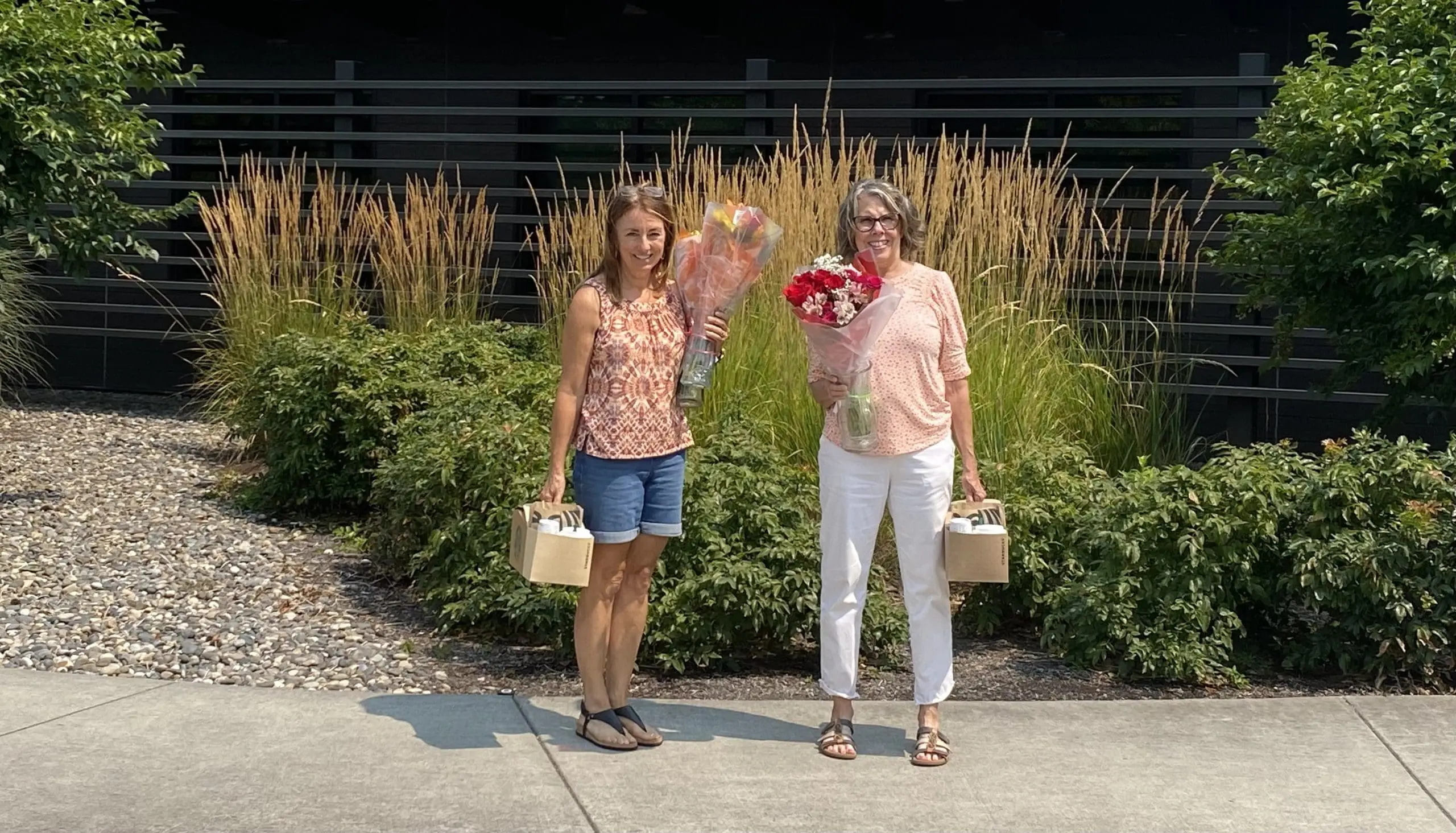
Each month, Moms Who Care brings a variety of treats to eat, cards of appreciation, flowers, smiles, and words of encouragement to the mental health workers at one of the inpatient treatment facilities in our area.
The Facilities We Serve
I’ll never forget the first time Moms Who Care went to an inpatient facility that treats those suffering from SMI and substance use disorder (SUD). We knocked at the door and waited nervously. We waited some more. We almost turned to leave, when the door was opened by a woman who was so touched by our gifts that she started to cry. She explained that she was in recovery and had found her place in helping others overcome SUD. We met others who looked ready to drop from exhaustion. With gratitude, they explained that it had been a bad day and that they couldn’t wait for the sugar rush of donuts.
Another visit was to a large, privately-run inpatient and outpatient mental health and SUD recovery clinic where ambulances pull up to the curb and worried families drop off their loved ones. The first day we set our treats on the counter, and explained who we were, the receptionist looked at us with suspicion. She kept saying, “What?” as if it was too much to comprehend that someone would care for them in this way. The new state mental hospital near my home is not yet complete, but I admire its progress each time I drive by. I can’t wait to welcome them into their new home with an outpouring of appreciation for the work they will do when it opens in 2025.
A Work in Progress
Moms Who Care is a work in progress. Our short-term goal is to create one team for each of the facilities in our area. At this point, I don’t know whether Moms Who Care fulfills its purpose of lowering healthcare worker burnout. But I know it’s making a positive impact on the lives of the individuals with whom we speak.
Perhaps one of the greatest benefits is that Moms Who Care helps me thrive even as I continually grieve the ambiguous loss of my beloved son.