
Criminalization of Mental Illness
Fifty years of failed mental health policy have placed law enforcement on the front lines of mental illness crisis response and turned jails and prisons into the new asylums.
Deinstitutionalization, outdated treatment laws demanding a person become violent before intervention, and discriminatory federal Medicaid funding practices drive those in need of care into the criminal justice and corrections systems, rather than into the public health system where they belong.
This criminalization of mental illness has wide ranging and devastating consequences.
Sources for the above statistics:
How is severe mental illness criminalized in the United States?
Even when an individual with a severe mental illness (SMI) desires intensive treatment for a mental health condition, they may be unable able to access it. In many jurisdictions across the United States, state psychiatric hospital care is so limited that the only way to access it is through being arrested and treated as a forensic (criminal) patient. When people require hospital-level care and go to an emergency department to seek help, the current shortage of services may force them to wait in the emergency department for hours or be told that there are no beds available. In other words, when a person wants hospital-level care, they may be unable to access it until they deteriorate into a crisis, at which point they may be brought to the hospital by police as an involuntary civil patient or following arrest as an involuntary forensic patient. Cuts to Medicaid in 2025, which reduced funding for mental health services, have been criticized by both mental health providers and local sheriff’s associations for the way they “worsen mental health crises, shifting costs onto jails, emergency medical services and local taxpayers.”
Outdated commitment laws limit the ability to intervene before someone reaches a crisis. Early treatment can reduce criminalization by addressing symptoms that may lead to dangerous or unlawful behavior. However, some people with SMI, especially those experiencing anosognosia, cannot engage in voluntary care due to lack of insight into their condition. Involuntary commitment exists to ensure that individuals who are too ill to seek help can still receive necessary treatment. Many states allow involuntary evaluation and treatment when a person cannot recognize their need for care and, because of their symptoms, poses a danger to themselves or others.
Many commitment laws require an “imminent” risk of harm, and that “imminence” means that a person with SMI must be actively harming themselves or others, or posing an immediate risk of harm (like threatening with a weapon) before involuntary treatment is allowed. A law enforcement response, rather than a medical response, is an inevitable consequence of a system which fails to intervene until an individual is at risk for violence against themselves or others. Research shows that when intervention is limited to moments of imminent danger, individuals are more likely to encounter criminal responses rather than receive needed treatment.
Law enforcement officers are often forced to act as frontline behavioral health responders, which can contribute to criminalization. Altogether, it has been estimated that law enforcement facilitates access to mental health care for one in ten people with mental illness. There are many circumstances that lead law enforcement to facilitate care access for people experiencing a mental health crisis. For example, individuals who require involuntary treatment to achieve stability may access care through law enforcement intervention because of law enforcement’s authority to transport people to and from the hospital. In some states, law enforcement officers are the only party who can perform involuntary transportation. Law enforcement’s role in performing these transports is so pronounced that in 2017, law enforcement officers were estimated to spend 21% of their working hours and 10% of their departmental budgets responding to or transporting people in behavioral health crises. This can include transporting people from the community to evaluation facilities, from evaluation facilities to inpatient facilities, from inpatient facilities to court hearings, or from the community to outpatient appointments depending on the involuntary treatment order.
Law enforcement officers have also reported facilitating access to care through arrest. When an officer encounters an individual in a mental health crisis who is behaving in a disorderly, threatening, or criminal manner, the officer may make an arrest, book the person into jail, and charge them with a crime. While pre-arrest diversion methods are gaining traction in the United States, law enforcement officers have also reported resorting to “mercy bookings” to facilitate treatment access due to the severe shortage of affordable, accessible services for people with serious mental illness. In a mercy booking, a law enforcement officer will charge an individual with a low-level misdemeanor crime because they suspect the individual is more likely to access care through the criminal system than through the civil system, even when the individual’s mental health needs could be better met by more comprehensive treatment elsewhere. This not only contributes to the criminalization of mental illness but also creates a troubling dynamic in which access to care is contingent on having been charged with a crime.
When a person with SMI is arrested, they may become part of the “forensic system” if they don’t understand their charges or the case against them. TAC provides resources for family members and people with lived experience navigating the criminal legal system.
Resources for individuals with severe mental illness in the criminal-legal system
If your loved one has become involved with the criminal-legal system as a result of mental illness, please check out our
Schizophrenia and Psychosis Resource Center for help.

Faced with limited community treatment options and a dire shortage of psychiatric inpatient beds, those in need of mental health treatment may not receive it until a crisis occurs and […]
Criminal Justice
Enormous attention has been focused in recent years on the lack of complete and accurate official statistics reporting fatal law enforcement encounters. Barely noted in the uproar has been the […]
AnosognosiaTrailblazing Discoveries: Explore Recent Research on Criminalization of Mental Illness
Join our email list to stay informed about topics that impact people with severe mental illness. Receive weekly updates on cutting-edge research, delivered straight to your inbox.

I woke up searching frantically for my glasses on the nightstand — knocking over a glass of water before touching the wire rims. Pulling them on, I saw it was […]
Research Weekly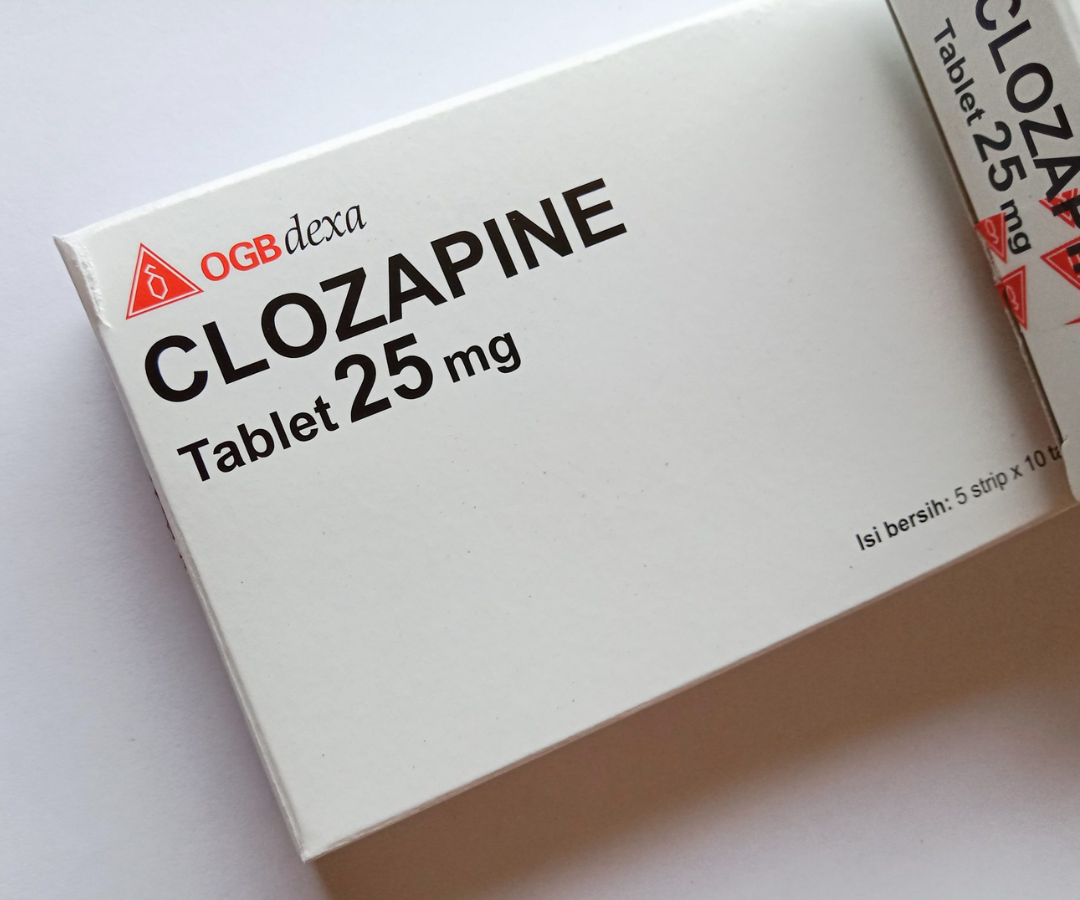
By Dr. Xavier Amador I have had many patients on Clozapine. It was the first atypical antipsychotic; it was synthesized in 1958 and first used in people in the 1970’s […]
Research Weekly
by Dr. Xavier Amador When my brother Henry developed schizophrenia, the impact rippled through our family in a number of specific ways. I have seen the same in countless families […]
Research Weekly
TAC is pleased to premiere Research Briefly, a periodic blog focused on timely research and pertinent information surrounding severe mental illness (SMI), with “What in the World is Anosognosia?” by […]
Research Weekly
by Hope Parker (February 7, 2024) Black individuals who are a part of the LGBTQ+ community report higher levels of psychological distress than the general population. These higher levels of […]
Research Weekly Uncategorized
by Jennifer M. Reingle Gonzalez, PhD, Rebecca Marcolina, MPH, Research, Data, & Analytics Team, and John Snook, JD, Chief Policy Officer, Meadows Mental Health Policy Institute In this guest post, […]
Research Weekly Suicide
By Shanti Silver (January 17, 2023) In December 2023, the Virginia Joint Legislative Audit and Review Commission staff released a report on Virginia’s nine state hospitals, including recommendations for the […]
Research Weekly
By Hope Parker (January 3, 2024) A new year brings new opportunities to advocate for effective, evidence-based care for people with severe mental illness. This January, Research Weekly will highlight […]
Research Weekly
(November 8, 2023) The summer of 2023 was considered the summer of extreme heat in America, with temperatures reaching the triple digits in many states across the United States. In early […]
Clinical Research Research Weekly SMI SMI Research
By Shanti Silver (November 1, 2023) Bipolar disorder is a mental illness characterized by alternating periods of depression and mania or hypomania. The disorder is estimated to impact more than […]
Clinical Research Research Weekly SMI SMI Research Suicide
By Elizabeth Sinclair Hancq Research Roundup is a monthly public service of the Office of Research and Public Affairs. Each edition describes a striking new data point about severe mental illness (SMI) and […]
Clinical Research Research Weekly SMI SMI Research Uncategorized
By Hope Parker (October 16, 2023) Black adults have greater barriers to accessing psychiatric care, such as a higher prevalence of intergenerational poverty and underinsurance, than their white counterparts. However, Black adults simultaneously remain overrepresented in […]
Clinical Research Research Weekly SMI SMI Research