Trapped in psychosis, unseen by the system
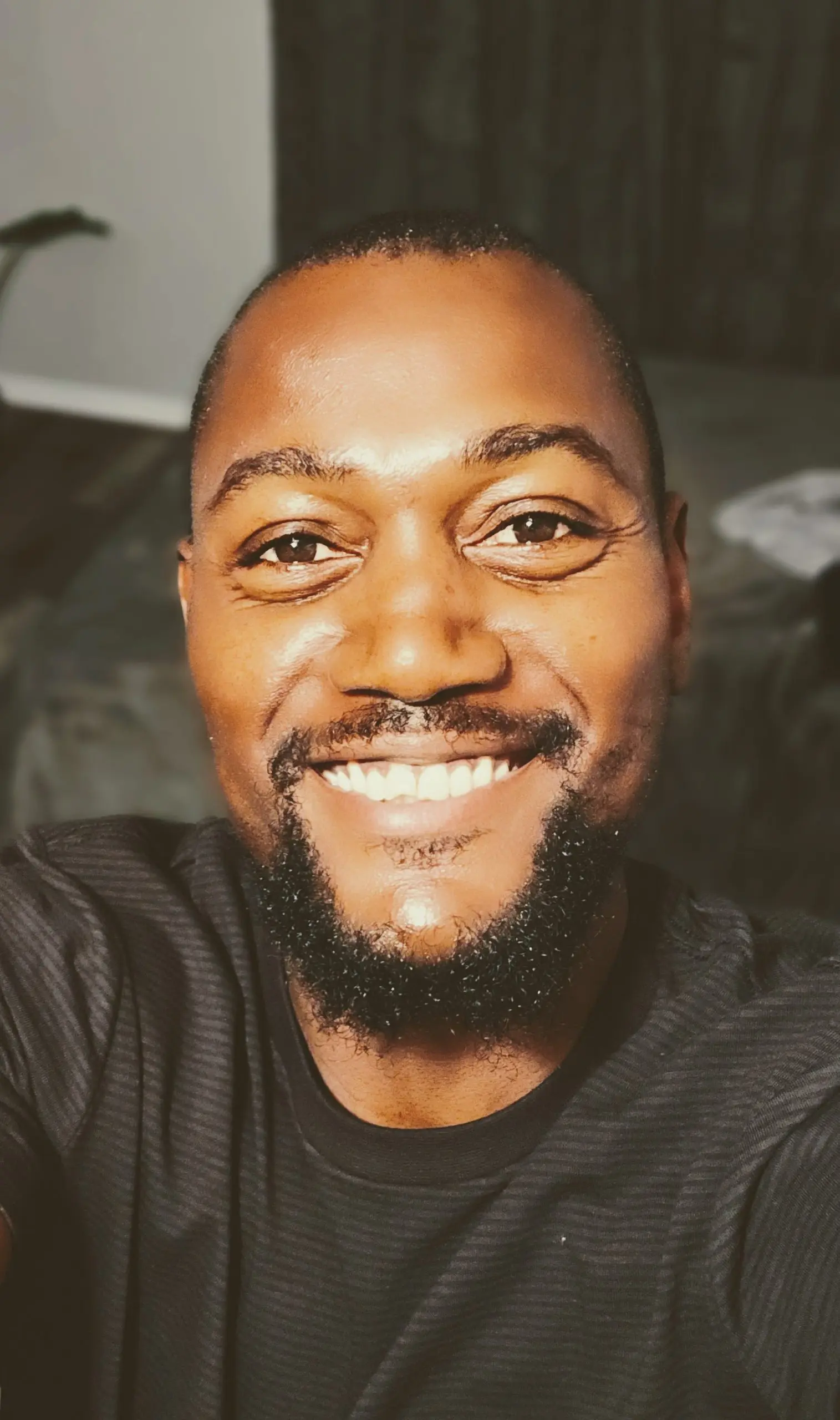
By Andrew Wilson
As I sat alone, the voices in my head grew louder — a relentless cacophony of negativity and doubt, weaving a narrative of impending doom. They predicted failure in every personal and professional pursuit. They encouraged substance abuse. They issued threats. Then came the stinging, stabbing, and burning sensations — tactile hallucinations that made me feel constantly touched, manipulated, and violated, even in the most private areas of my body.
It was a full sensory assault — a symphony of distortions — that made me feel like a puppet of forces I could not see or understand. These hallucinations weren’t fleeting. They were ongoing, immersive, and agonizing. They shattered my sense of identity and left me in a constant state of hypervigilance and fear.
This is the daily reality of someone living with a likely psychotic disorder complicated by anosognosia, the clinical term for a lack of insight. At my worst, I didn’t even realize I was unwell. And even when I began to suspect something was wrong, I couldn’t find meaningful help. The system I turned to was not equipped to support someone who was deteriorating without meeting the threshold of a legal or medical emergency.
My condition didn’t fit the system’s binary understanding of “sick enough.” I wasn’t actively suicidal or outwardly dangerous, just trapped in a worsening internal crisis that no one could see. I was articulate, enrolled in school, and appeared functional on paper. That’s all it took for professionals to assume I didn’t need intervention. But inside, I was disintegrating.
The voices didn’t stop. The tactile hallucinations intensified. Emotional hallucinations caused surges of anger and despair. Visual disturbances convinced me I was possessed. Sleep became impossible. I had to isolate myself from others, not because I wanted to be alone, but because interaction with people while in this state could trigger impulsive thoughts and behaviors. Solitude became my only safety plan.
Meanwhile, my external life unraveled. I faced housing instability, disrupted education, and mounting financial strain. Substance use loomed as a false escape. Interpersonal relationships suffered, especially where intimacy and trust were already fragile. My symptoms and my social reality fed off each other in a vicious cycle, and no part of the system knew how to intervene early or appropriately.
What I needed was a comprehensive, proactive response: a care team that understood psychosis with anosognosia, early psychosis outreach, trauma-informed therapy, housing support, and community engagement. I needed someone to see me before I became a crisis headline.
Instead, I was repeatedly told to “come back if it gets worse.”
Let me be clear: for people with severe mental illness and anosognosia, waiting for things to “get worse” is not a care strategy. It is negligence.
My story is not unique. Many people living with psychosis fall through the cracks because they don’t meet the outdated and dangerous standard of “imminent danger.” But psychosis doesn’t wait for paperwork. It erodes identity, autonomy, and hope — quietly, but persistently.
That’s why we need policy change. Assisted outpatient treatment (AOT), when done ethically and in a supportive manner, can offer lifesaving structure and accountability for those of us who cannot self-initiate care. It’s not about force; it’s about recognizing when someone is beyond the reach of voluntary engagement. AOT should be available not as a last resort, but as a proactive support tool embedded in a compassionate continuum of care.
I also envision a system where clinicians are trained to identify anosognosia, not dismiss it. Where sensory distortions like tactile or emotional hallucinations are taken seriously, not minimized. Where people with psychosis are engaged early, continuously, and respectfully — with resources that support not just survival, but dignity and recovery.
Today, I’m managing my condition better. I’ve developed insight. I’ve accessed limited tools. But my progress happened despite the system, not because of it. That reality needs to change: for me, and for everyone else whose voices are drowned out by criteria that don’t capture the complexity of their suffering.
We deserve better. We deserve a system that acts before it’s too late.
Andrew Wilson is the Founder and Chief Innovation Officer of AIPAAS, LLC. He holds multiple professional certifications in digital marketing, AI and leadership, such as Digital Marketing Professional Certification (DMProC), AI Practitioner Professional Certification (AIPPC), and Entrepreneur Mindset and Leadership Professional Certification (EML). Mr. Wilson is also currently pursuing studies in Applied Animal Behavior and Digital Marketing.