The Problem with Clozapine REMS
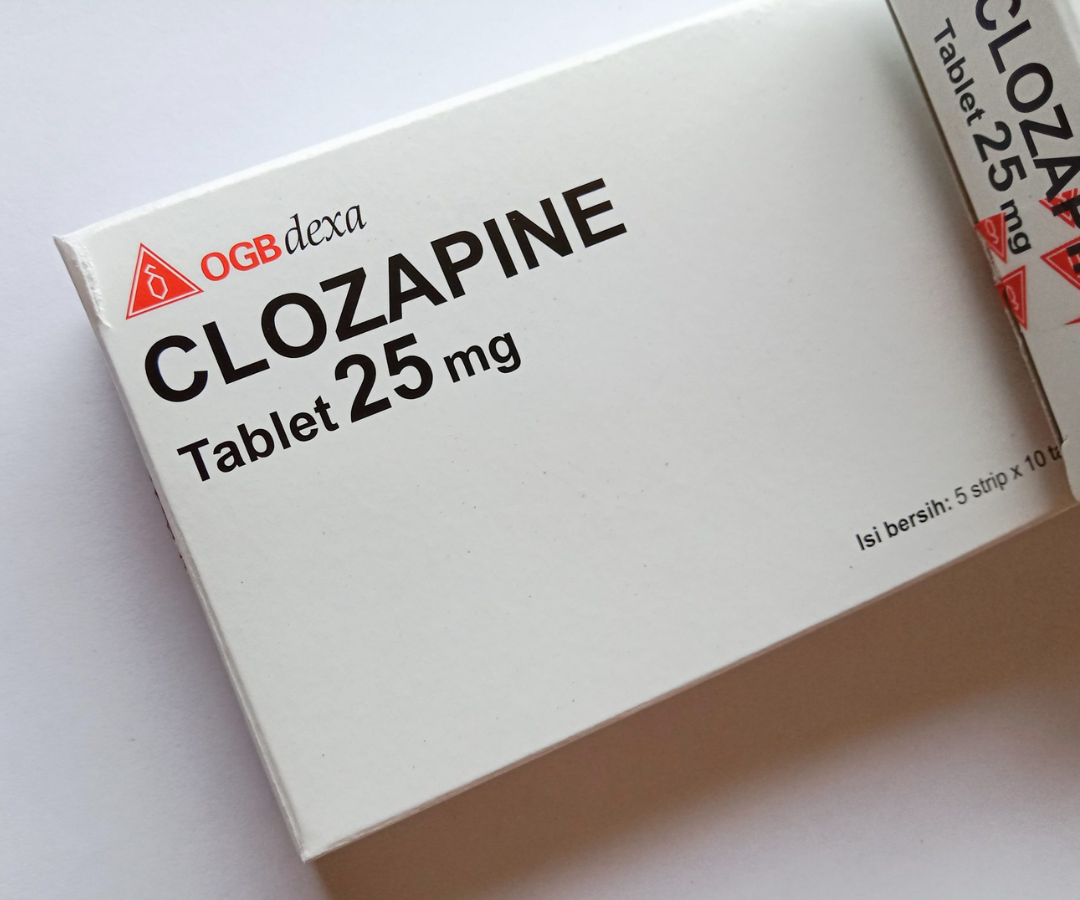
By Dr. Xavier Amador
I have had many patients on Clozapine. It was the first atypical antipsychotic; it was synthesized in 1958 and first used in people in the 1970’s with very good results. Indeed, for patients failing to respond to other antipsychotics it has shown superiority – helping those who could not be helped before. The FDA approved it to specifically help patients who, like my brother Henry, were plagued by suicidal thoughts. And emerging research suggests it may help patients with anosognosia gain insight into their illness!
Despite these advantages, in the early 1990’s I reserved it for patients who had failed two or more trials of other antipsychotic medications. Like many, I took the “fail-first” approach. The reason was a perceived stumbling block — a rare, serious side effect called agranulocytosis (a form of neutropenia) which is reversible when monitored by blood tests, that made many in the USA reluctant to use Clozapine. By the late 1990’s the field became educated about how to handle this problem, and it became a first-line treatment. Fail-first became unnecessary.
But then, just over three years ago, another stumbling block kept the drug from being more widely prescribed despite its clear benefits: The FDA REMS (Risk Evaluation and Mitigation Strategy). Among other things, the REMS required that prescribers and pharmacists obtain certification — as if years of doctoral and post-doctoral training were not sufficient to safely prescribe this life saving (literally) medication. On top of that, all patients taking Clozapine must be enrolled in a centralized patient registry and undergo frequent blood monitoring for signs of neutropenia (once stabilized on Clozapine the REMS require monthly blood tests for the rest of patient’s life!). In my view, these requirements were well-meaning but deeply flawed.
Since the implementation of the FDA REMS there has been a push from patients, their families, and doctors to make the use of Clozapine less difficult for those who need it. As I mentioned, Clozapine has been linked in rare cases to a condition called neutropenia, in which a patient develops lower-than-normal levels of a type of white blood cell which can, in turn, lead to a higher risk of infection. Neutropenia is a serious condition, so the increased caution makes sense. However, I believe that the protocol developed to handle this risk, the REMS, is so onerous as to seriously deter physicians and pharmacists from making Clozapine available at all.
The REMS involves a regular schedule of blood testing for people taking Clozapine that starts out weekly for 18 weeks, then goes to fortnightly for a year, and then settles into a monthly blood draw forever onward. A pharmacist who intends to fill prescriptions for Clozapine must undergo a certification and registration process and must verify blood work is within acceptable limits before dispensation. As you can imagine, this places a significant burden on doctors, patients, families, labs, and pharmacists.
What many advocates, myself included, have called attention to over the years is that the frequency of blood testing isn’t necessarily justified by the small risk of neutropenia, and the burden from this requirement is, in fact, hindering the use of this medication by doctors who are reluctant to prescribe something with such frequent blood draws, patients reluctant to comply with them, and pharmacists who have no incentive to undergo certification and registration.
I want to circle back to another potential benefit of Clozapine that I mentioned earlier. There is preliminary scientific evidence suggesting this medication may also be unique in its positive impact on anosognosia (unawareness of illness). Anosognosia predicts many negative outcomes for people suffering from schizophrenia and related disorders and is the top predictor of noncompliance with treatment. There is a great deal of anecdotal evidence that patients with unawareness of their illness can gain insight when on Clozapine. I have personally witnessed this more times than I can count. Although this is not yet a reliable scientific fact, this additional potential benefit of this unique antipsychotic medication is yet another reason to make it more readily available.
One last fact worth considering: Clozapine is used safely throughout the world. It is used especially for patients with treatment-resistant schizophrenia. And yet, compared to other countries, the United States falls far behind. In the U.S., Clozapine is estimated to be used in only about 4-5% of patients with schizophrenia compared to 20-35% of patients with schizophrenia receiving the medication in the European Union. Some countries, particularly in Eastern Europe, have even higher utilization rates, exceeding 60% in some cases.
So where are we with the problem with Clozapine? This past November, following testimony by many families and patients whose lives have been ended or upended by the barriers imposed by this REMS protocol, the FDA’s expert panel voted overwhelmingly to recommend that the FDA abolish the existing requirements. The FDA will now decide whether to accept the recommendation and, if it does, how to implement the change. This can, and hopefully will, be a chance to make it easier for people to start and continue to use Clozapine if it’s the best medication for them and will make doctors and pharmacists less reluctant to offer this life-saving benefits to their patients.