Clozapine
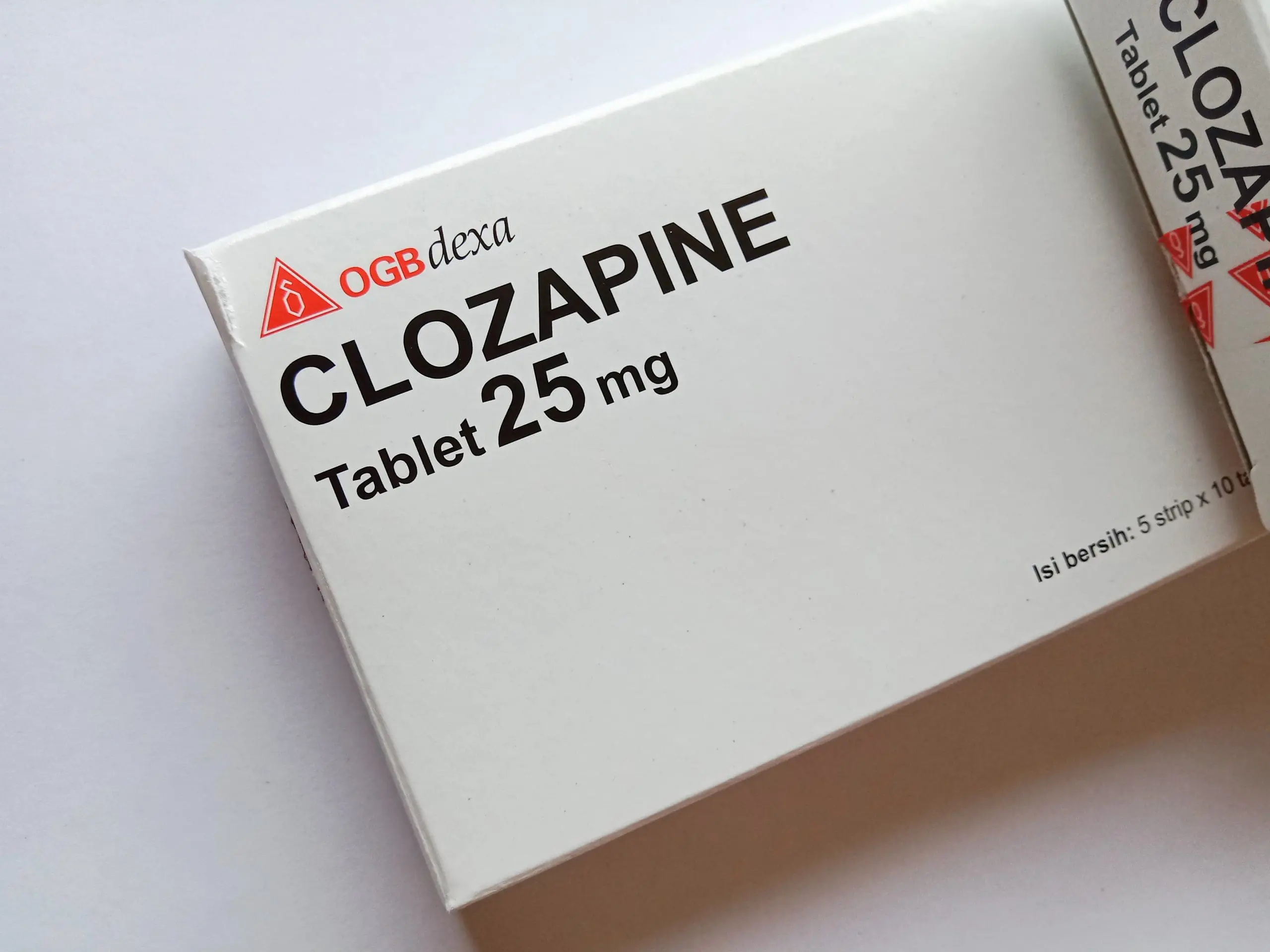
Learn about clozapine, the only FDA-approved medication for treatment-resistant schizophrenia, and ways to access this anti-psychotic medication.
What is Clozapine?
Clozapine is the only FDA-approved medication for treatment-resistant schizophrenia. People are determined to have treatment-resistant schizophrenia when the first two antipsychotic medications they take fail to reduce their psychotic symptoms. Like other anti-psychotics, clozapine works by rebalancing dopamine, a neurotransmitter, and other chemicals in a person’s blood. Clozapine was FDA-approved in 1989 in the class atypical, antipsychotic.
In its best-practice guidelines for the diagnosis and treatment of schizophrenia spectrum disorders, the American Psychiatric Association recommends clozapine not only for patients with treatment-resistant schizophrenia but also for those who are at high risk for suicide or aggressive behavior, if other medications don’t lower those risks. TAC’s article about psychosis includes more information about the APA’s best-practice guidelines.
A documentary with information about clozapine and people who have recovered well using this medication is “Into the Light: Meaningful Recovery From Psychosis,” sponsored by the non-profit organization Team Daniel Running for Recovery from Mental Illness.
REMS no longer required
For many years Clozapine was limited by strict usage protocols that ended Feb. 25, 2025. Grassroots advocates played a role in convincing the U.S. Food and Drug Administration (FDA) to end those restrictions, called REMS—Risk Evaluation and Mitigation Strategy.
The REMS began after early trials of clozapine showed a potential for a severe side effect called neutropenia, a blood condition that might make someone vulnerable to infections. The FDA still recommends that prescribers monitor patients closely, and information about neutropenia will remain in the warnings provided with a prescription.
The FDA issued a statement that although the neutropenia risk still exists, “the REMS program for clozapine is no longer necessary to ensure the benefits of the medicine outweigh that risk. Eliminating the REMS is expected to decrease the burden on the health care delivery system and improve access to clozapine.”
Is clozapine more dangerous than other anti-psychotic medications?
The risk of developing neutropenia because of exposure to clozapine is not any higher than the risk posed by other medications for which the FDA does not require a lifetime of blood tests, according to research.
The FDA hosted an advisory committee meeting Nov. 19, 2024, at which dozens of grassroots advocates, including many from the Angry Moms, shared their stories and described how the REMS had caused delays in clozapine access, often leading to crises. The National Shattering Silence Coalition is another organization that lobbied for the change. NSSC published an article by Robert S. Laitman, M.D., a psychiatrist who specializes in clozapine usage: Why Choose Clozapine First for Schizophrenia – National Shattering Silence Coalition.
Laitman’s website includes information about his lived experience as father to a son with paranoid schizophrenia: teamdanielrunningforrecovery.org. He promotes clozapine to decrease mortality from suicide and other complications of schizophrenia. His book is Meaningful Recovery from Schizophrenia and Serious Mental Illness with Clozapine: Hope & Help.
How can I find a provider willing to prescribe clozapine?
Another organization spreading awareness about clozapine is the Comprehensive Understanding via Research and Education into Schizophrenia (CureSZ) Foundation. CureSZ provides an interactive map to help people seek a provider willing to prescribe clozapine, which is also referred to by its brand name, Clozaril.
If a clinician is willing to consider clozapine but needs guidance, families might refer them to The Clozapine Handbook, by Jonathan M. Meyer and Stephen M. Stahl. The book provides clinicians with evidence-based approaches for medication and patient management when prescribing clozapine.