Personally Speaking: A family journey through severe mental illness
By Regina Toffolo
Mental illness has been present in my family all my life. My grandfather died by suicide. My mother had narcissistic personality disorder, a rare mental illness that made my mother think she was the always the most important person. She also had difficulty empathizing with others. I have bipolar disorder and am a recovering alcoholic. My ex-husband, the father of my children, died by suicide. I have two sons with disabling mental illness, one who has bipolar disorder and a substance use disorder, and another son who suffers from depression, anxiety, and severe ADHD. From generation to generation, this has been a family journey.
I’m one of the lucky ones. I haven’t had a drink in over 35 years, and I haven’t been in a psychiatric hospital in 18 years. But it has been a long, arduous journey with my sons. Any story you can tell me, I have a war wound to match, although I don’t say that to win some kind of contest, only to help you understand that I know what it’s like. Hospitals. Psychosis. Police. Jails. Courts. Chaos. Domestic violence. Suicide attempts. Medication that doesn’t work or has bad side effects. Sons who just decide they don’t want to take meds. The frequent treatment failure of “the system,” like the time when the hospital just put my son in a Lyft and sent him away when he was psychotic and afraid of “getting sucked into the void.”
For me, this journey has often been a tsunami of what I like to call “big feelings,” the kind that leave you feeling entirely swept under. I have often been overwhelmed with despair, fear, grief, guilt, helplessness and just sheer exhaustion. It was in this desperate state last year that I finally started attending a National Alliance for Mental Illness’s family peer support group. Now I ask myself why I didn’t do this a long time ago. It’s like I’m just now seeing the total pervasiveness, the insidious pattern of wounds associated with mental illness in my life for the first time. It’s like I’ve been trying to fix this piece of it when this happened, and then that piece of it when that happened, never seeing the whole.
Before I got to a peer support group last year, I lived in a silent world of painful isolation. I would lie on the couch and pray because that was all I had left in me to do as the feelings washed over me. My friends would have helped but they couldn’t understand, they did not have a special understanding of shared experience. One friend said, “I’m so sorry. I don’t have any troubles like you do, I wish I could help you.” She was well-meaning, but it only made me feel more alone. My siblings won’t even talk about mental illness or substance use disorder since it hasn’t affected them personally, despite my family history. To them, these are dirty little secrets to be buried – yes, stuff those skeletons away in the closet. The hidden message is subtle but clear – these are things of shame.
When I started attending the family peer support group, I finally found my people. For months, I went each week and was able to share my “big feelings” about the continuing saga of my son and his delusions. He was in the hospital five times before they kept him. Police and EMTs came to my house every week. I agonized as I had to get a restraining order because I didn’t feel safe around him. I couldn’t have him here, but I lived with a terror that he would freeze to death in the snow. At one point he was in a homeless shelter. There were more hospitals and courts and jail until one miraculous day after about four months, my son decided he would take his medicine again.
The support group saved me during one of the worst times of my life. I got help when I felt I was lost. Someone there would share their similar experiences and say, “I understand,” and I knew they did. Some people say, “Time heals all wounds,” but I think something else works, too. I have found that human connection is a limitless power to heal and carry us in difficult times.
I’m sure my family journey will continue for better or for worse. Who knows what tomorrow will bring? Right now, everyone is medicated and clean and sober. My older son is stable and thinking clearly. He’s going to school and was recently named “Outstanding Student and Campus Leader.” My younger son recently remarked, “Gee, Mom, I haven’t felt suicidal in a whole year.” This is how we measure success in my house.
On the face of it, this is a wonderful position to be in, and I am deeply grateful for it. But what I cherish most about where we are is how close we all are. Our battles have bonded us. We’ve been on the front lines together and survived it.
Whatever tomorrow brings, I know we will keep going, and I know I am not alone.
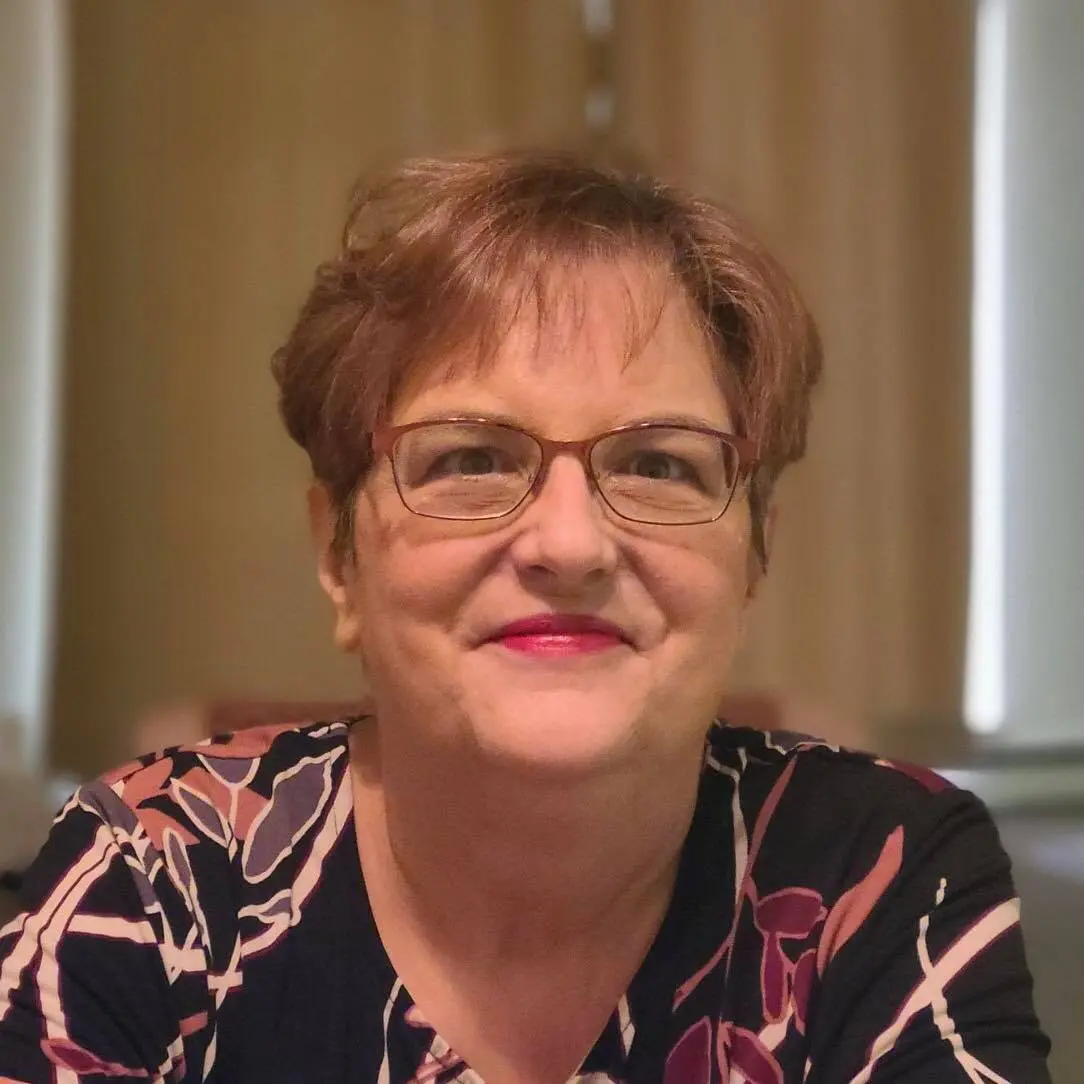
Regina Toffolo is a business systems analyst currently living in Berea, Ohio with two of her sons and their cats. She is the author of “The Second Child: A Story of Hope, Abuse, Generational Mental Illness and Addiction, and Families.”