District of Columbia
Every state has different laws and policies around accessing treatment for severe mental illness (SMI) and some states have more resources and treatment options than others. Here you will find district-specific resources for navigating the SMI treatment system, civil commitment laws and an evaluation of those laws, and data and research about SMI in the district.

Family Resources in District of Columbia
- DC Department of Behavioral Health (dbh.dc.gov) Resources and contacts
- Division of Behavioral Health Ombudsman Office (dbh.dc.gov) DC residents, call 844- 698-2924 (for anonymity, call 800-345-5564) or email dbh.help@dc.gov
- Behavioral Health Services (catholiccharitiesdc.org) Mental health clinic offers counseling, community support, case management services, and housing opportunities
- Grievance Tools and Help (can-dc.org) Nonprofit assists consumers with mental health care complaints
- NAMI Washington DC (namidc.org) Support groups, training, information
- Office of Disability Rights (odr.dc.gov) Protection and advocacy for individuals with disabilities
- Pathways to Housing DC (pathwaystohousingdc.org) Housing, medical, employment, behavioral health, food assistance, and substance use disorder services by county
- DOC Locate and Inmate (doc.dc.gov) Find an inmate by name, court case number, or identification number
- DC Bar (dcbar.org) Legal assistance
- (dcbar.org) (dcbar.org) Legal assistance
How many people in District of Columbia have SMI?
Severe mental illnesses (SMI) are the psychiatric disorders that puts an individual at greatest risk for anosognosia, criminalization, and preventable tragedies such as victimization or suicide. The term SMI includes schizophrenia spectrum disorders, severe bipolar disorder, and major depression with psychotic features.
individuals with severe mental illness.
individuals with SMI who receive treatment in a given year.
of the adult population is estimated living with a SMI in the United States.
State psychiatric hospital beds in District of Columbia
2023 total beds: 240
- Civil beds: 107
- Forensic beds: 133
2023 beds per 100,000 people: 35.7
Click here for more information about state psychiatric hospital beds in District of Columbia.
A minimum of 50 beds per 100,000 people is considered necessary to provide minimally adequate treatment for individuals with severe mental illness. The District of Columbia fails to meet this minimum standard.
Fast Facts on SMI in DC
Data is a powerful tool to advocate for change. Curious about a specific data point in your state? Reach out to us at ORPA@treatmentadvocacycenter.org
Fast Facts on SMI in DC
Deinstitutionalization, outdated treatment laws, discriminatory Medicaid funding practices, and the prolonged failure by states to fund their mental health systems drive those in need of care into the criminal justice and corrections systems.
26%
384
240
2 to 1
2021 DC Mental Health Agency's expenditures
Every state receives block grant funding from the federal government to provide mental health services to their community. Below is some information about how these dollars are spent and compares to other state spending.
$254,095,042
44%
$7,596
1.6%
D.C.'s Treatment Laws
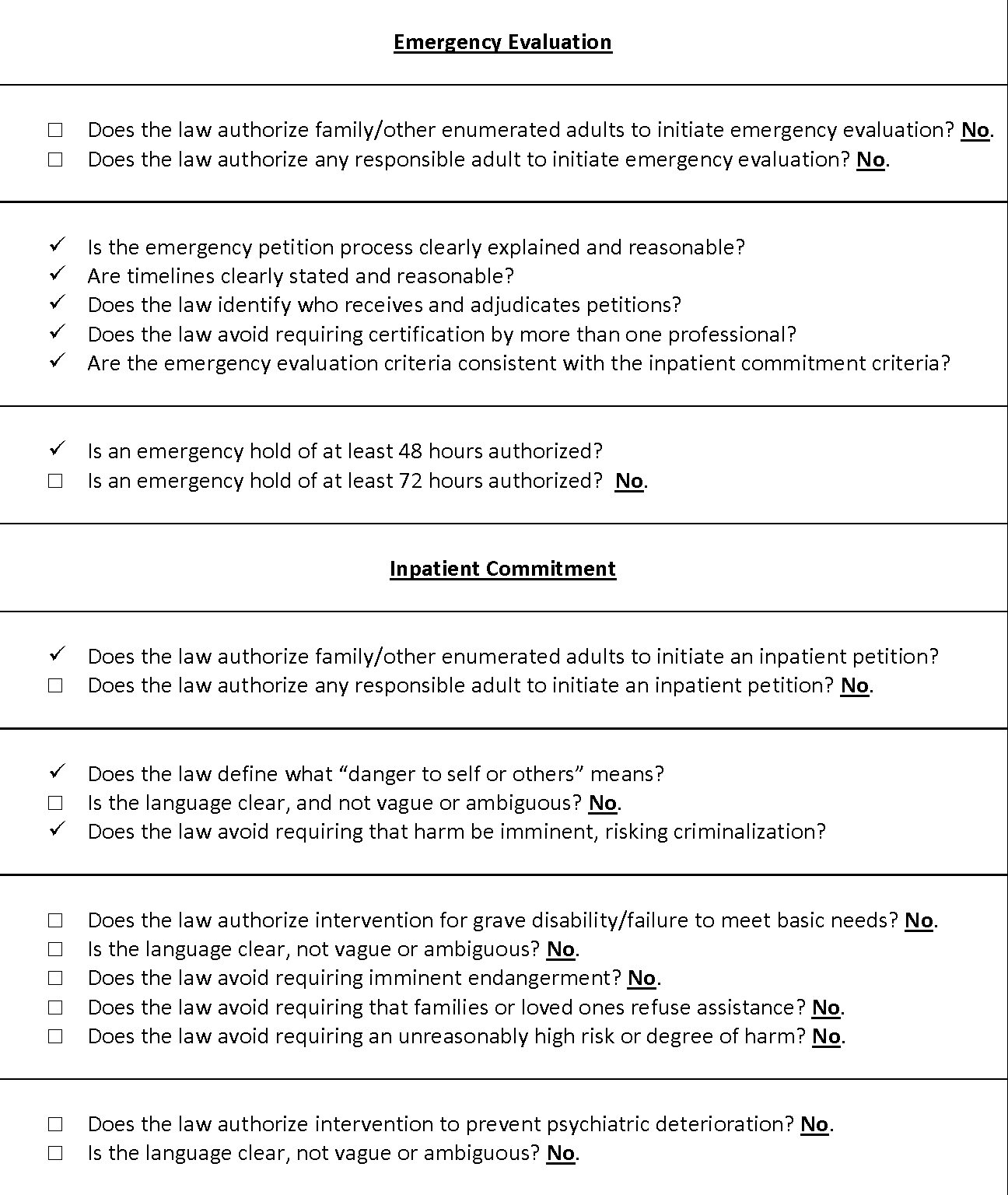
D.C. CODE ANN. § 21-521. An accredited officer or agent of the Department of Mental Health of the District of Columbia, or an officer authorized to make arrests in the District of Columbia, or a physician or qualified psychologist of the person in question, who has reason to believe that a person is mentally ill and, because of the illness, is likely to injure himself or others if he is not immediately detained may, without a warrant, take the person into custody, transport him to a public or private hospital, or to the Department, and make application for his admission thereto for purposes of emergency observation and diagnosis… D.C. CODE ANN. § 21-523. A person admitted to a hospital or the Department under section 21-522 may not be detained in the hospital or by the Department for a period in excess of 48 hours from the time of the person’s admission, unless the administrator of the hospital, the chief clinical officer of the Department, or the administrator’s or chief clinical officer’s designee has, within that period, filed a written petition with the court for an order authorizing the continued detention of the person for emergency observation and diagnosis for a period not to exceed 7 days from the time the order is entered.
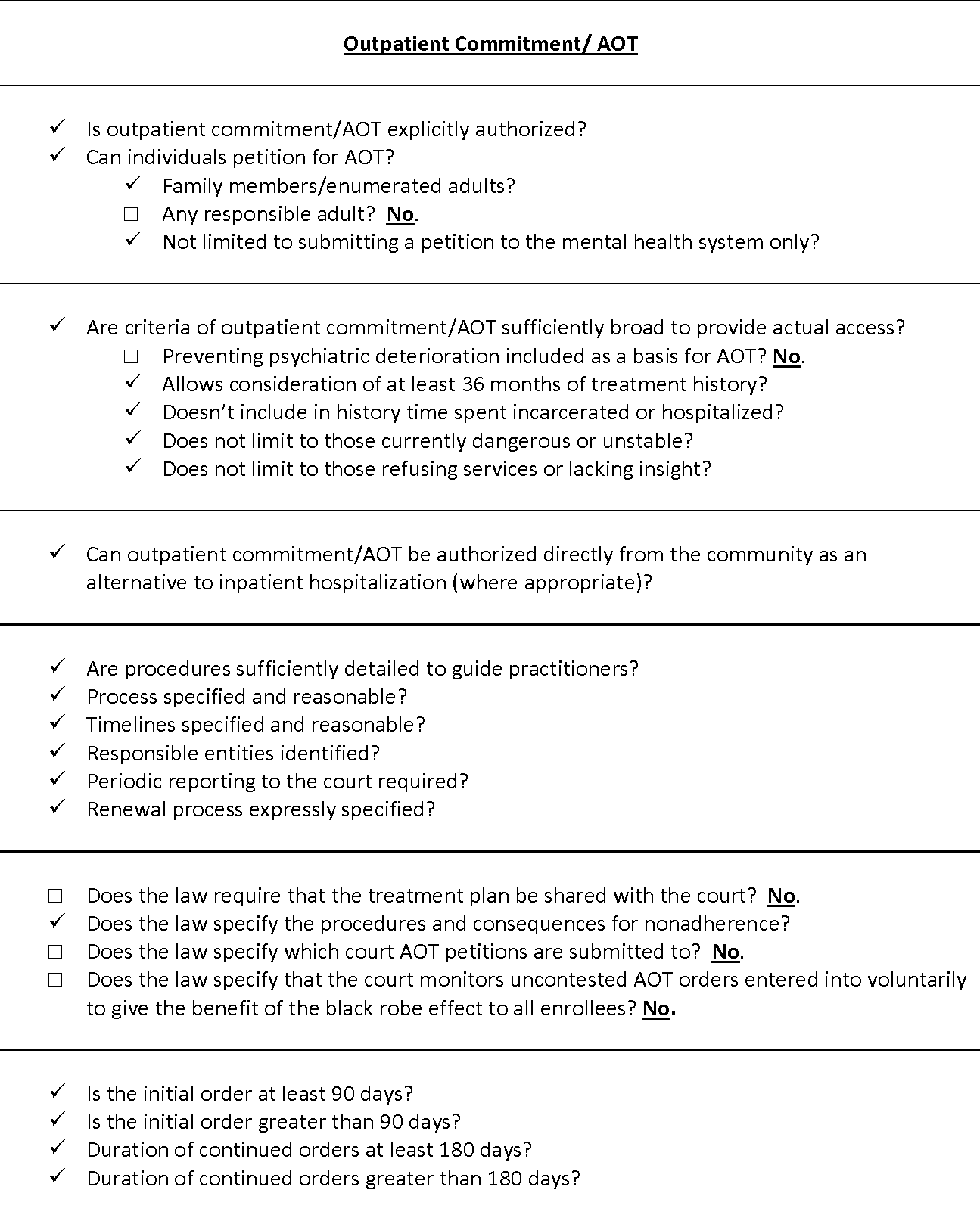
D.C. CODE ANN. § 21-521. An accredited officer or agent of the Department of Mental Health of the District of Columbia, or an officer authorized to make arrests in the District of Columbia, or a physician or qualified psychologist of the person in question, who has reason to believe that a person is mentally ill and, because of the illness, is likely to injure himself or others if he is not immediately detained may, without a warrant, take the person into custody. D.C. CODE ANN. § 21-541 (a) Proceedings for the judicial commitment of a person in the District of Columbia may be commenced by the filing of a petition with the Commission by his spouse, parent, or legal guardian, by a physician or a qualified psychologist, by a duly accredited officer or agent of the Department, by the Director of the Department or the Director’s designee, or by an officer authorized to make arrests in the District of Columbia. The petition shall be accompanied by: (1) a certificate of a physician or qualified psychologist stating that he has examined the person and is of the opinion that the person is mentally ill, and because of the illness is likely to injure himself or other persons if not committed; or (2) a sworn written statement by the petitioner that: (A) the petitioner has good reason to believe that the person is mentally ill, and, because of the illness, is likely to injure himself or other persons if not committed; and (B) the person has refused to submit to examination by a physician or qualified psychologist. (b) Within three days after the Department receives a petition filed under subsection (a) of this section, the Department shall send a copy of the petition by registered mail to the person with respect to whom it was filed. D.C. CODE ANN. § 21-545(b)(2). If the Court or jury finds that the person is mentally ill and, because of that mental illness, is likely to injure himself or others if not committed, the Court may order the person’s commitment to the Department or to any other facility, hospital, or mental health provider that the Court believes is the least restrictive alternative consistent with the best interests of the person and the public. An order of commitment issued pursuant to this paragraph shall be for a period of one year.
Recommended updates to treatment laws
- 1
Amend D.C. Code Ann. § 21-521 to authorize citizen right of petition for at least enumerated citizens, preferably any responsible adult, for emergency evaluation
- 2
Amend D.C. Code Ann. § 21-523 to extend duration of emergency hold to 72 hours or more
- 3
Amend D.C. Code Ann. § 21-541(a) to authorize citizen right of petition for any responsible adult for inpatient commitment
- 4
Amend D.C. Code Ann. § 21-521 to provide adequate definition for danger to self or others
- 5
Add grave disability criteria
- 6
Add psychiatric deterioration criteria
- 7
Amend D.C. Code Ann. § 21-541(a) to authorize citizen right of petition for any responsible adult for outpatient commitment
- 8
Amend D.C. Code Ann. §§ 21-545 to add a requirement that a written treatment plan be submitted to the court