
SMI Resources by Topic
Our goal at TAC is to provide key information about SMI in one place to help you advocate for yourself or someone you care for. Click the search button below to browse all resources or you can search for your topic by typing a key word or phrase and then clicking the search button. You can also browse resources sorted into four topic categories. For those beginning their SMI journey, we recommend searching “Essentials” for core information, including our FAQ. For personalized support, fill out a Helpline form and someone from our team will contact you within 1-3 business days.

Find information for a new diagnosis, access to care, and emergency planning. Key information on the continuum of care for psychiatric treatment and answers to the most commonly asked questions.

Learn about advocacy and find tools and resources so you can deepen your understanding of SMI to help yourself or a loved one.

Learn skills to improve family communication and dynamics. Find resources to support your safety and self-care.

Find information on SMI and the criminal-legal system, benefits, housing, jobs, co-occurring conditions, complaints, guardianship, youth and elder care, and veterans.

SMI State Resources
SMI treatment works differently in every state. Learn your state’s treatment laws, how they stack up to others, and where to find additional support and resources near you.
Contact Our Helpline Team
If you need help troubleshooting or have questions specific to your own situation, or are supporting a loved one with SMI, you can reach out to our family resource and advocacy team by filling out our helpline form. Click on “Get Help” below, and we will respond as soon as possible.
Helpline is not a crisis line. For immediate assistance call 988 or 911.
TAC Helpline provides individualized information and support to help navigate the complexities of a help seeker’s unique circumstances. We offer relevant information, resources, and support to individuals living with SMI and caregivers.
TAC does not provide medical advice or legal services. TAC is not a direct service provider and cannot schedule appointments or offer referrals. The information we provide is not a formal recommendation or endorsement of any particular resource, therapeutic approach, or service provider. Our information is not a substitute for advice from qualified medical professionals. Furthermore, TAC does not take responsibility for any information or services offered by third parties.
We encourage you to exercise independent judgment, seek information from reputable sources, and request references when evaluating any resource related to service provision connected to your inquiries.
Crisis Text Line
Reach a counselor 24/7 by text. Click on the link below from your cell phone or send a text to 741-741 to contact a live, trained crisis counselor.
988 Suicide & Crisis Lifeline
Call or text 988 if you or someone else is experiencing a mental health crisis that may include a risk for suicide or self-harm, substance use, or any kind of emotional distress.
Personally Speaking
Personal narratives on the experience of living with SMI or being a family member, friend, loved one, or caregiver to someone with SMI.

By Allen Nelson Allen Nelson resides in Santa Monica, CA. He has three sons with his wife Rose. Brandon resides in heaven, Trent in Boston and Justin in Santa Monica. […]
Hospital Access Hospitalization
By Anonymous in Texas My son is a gentle and kind soul. When he is stable on his medication, he is my friend, and he always looks out for his […]
Hospital Access Hospitalization
By Anonymous in Washington state Author’s note: names and identifying details have been changed. My wife – the person I pledged to stick with through sickness and health, and always […]
Mental Healthcare Reform Personally Speaking
By Andrew Wilson As I sat alone, the voices in my head grew louder — a relentless cacophony of negativity and doubt, weaving a narrative of impending doom. They predicted […]
Anosognosia AOTOur Stories are Powerful
Life with SMI can be isolating. It helps to hear that others have encountered similar challenges, sought similar courage or direction, or made progress after years of turmoil. We’ll work with you to tell your truth.
New & Noteworthy

Learn about medications to treat SMI conditions, including key vocabulary and an approach for supporting someone unable to manage medication independently. What do I need to know about medication management […]
Community Playbook

This article offers help for SMI advocates seeking involuntary treatment for loved ones and includes a sample letter that can be adapted for use in any state.
Community Playbook

Find out about anosognosia, a common symptom of SMI, and why it keeps people from seeking and adhering to treatment.
Essentials

Learn about court-ordered outpatient treatment designed for people with a history of non-adherence to SMI treatment. What is assisted outpatient treatment (AOT), and who is it designed to help? When […]
Essentials

This checklist can help you organize a move to a new state when mental health treatment stability is a priority. What is important to consider when moving state-to-state with SMI? […]
System Navigation

Learn about signs and symptoms, standards for treatment, linkages to cannabis use, and risks related to untreated psychosis.
Essentials

Here’s a place to start looking for attorney support for SMI. Note that TAC doesn’t provide legal advice on individual circumstances.
System Navigation

Learn questions to ask and how to help when an SMI outcome is arrest, incarceration, or a court process that may include a competency assessment.
System Navigation

Learn to organize key facts to advocate for better care and outcomes. A downloadable template helps you get started.
Community Playbook
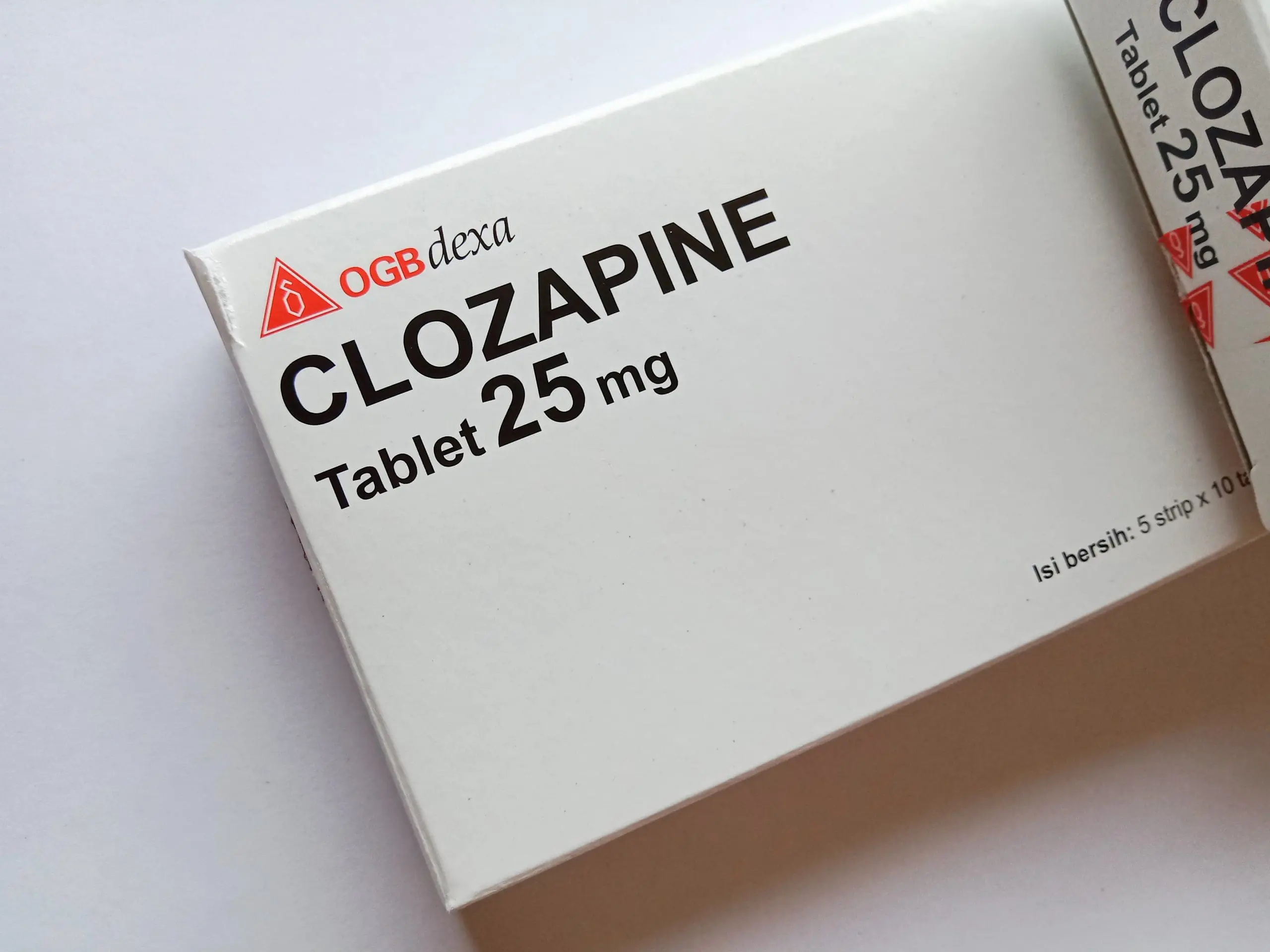
Learn about clozapine, the only FDA-approved medication for treatment-resistant schizophrenia, and ways to access this anti-psychotic medication.
Community Playbook

Peruse frequently asked questions and quick tips for managing SMI, treatment access, and system navigation.
Essentials

Learn to make a home safer for someone experiencing suicidal ideation or psychosis and options to consider for the safety and well-being of the whole household.
Family Care
A Legacy of Support and Compassion
Joan C. Scott struggled to help her son in a system not designed to prioritize either his or her family’s wellbeing. To honor her kind and caring nature, we launched this resource center in her name, for all families affected by SMI. No one should have to face severe mental illness alone.
Frequently Asked Questions About Schizophrenia and Psychosis:
Q: If my loved one’s treatment provider won’t talk with me, what can I do?
A: Learn about HIPAA and know what you can share and ask within the boundaries of confidentiality laws. Regardless of whether your loved signs a release of information (ROI), you can share mental health history. You are not bound by HIPAA, which applies to professional providers.
HIPAA allows for basic information sharing when it’s in the best interest of the patient, especially when there are safety concerns. You can let the provider know you’ve researched HIPAA law and that you respect their need to protect sensitive information.
You can ask providers for general information, especially if you provide essential support. Here’s a possible way to ask: “I understand that you cannot share a patient record without an ROI, but I’m not asking for that. Can you please provide general guidance about how to support someone with a diagnosis of [schizophrenia, bipolar disorder, psychosis, suicidal ideation…] at home? Are there general things I need to know for the safety and well-being of everyone in our home?”
Q: Someone with SMI is in jail instead of a hospital. Now what?
A: While your loved one is incarcerated, plan to share mental health history with providers responsible for care in the jail (often a contracting agency). You might look at the jail’s website to see what messaging they post related to mental healthcare for inmates. Sometimes it helps to point out what services are promised. Research complaint options if there is evidence of abuse and/or neglect.
A person who has been arrested and incarcerated may be moved from jail to a treatment facility or back into the community for various reasons. Here are a few scenarios:
- Their defense attorney might question whether they are well enough to act in their own defense. Court-ordered “competency restoration” may include medication and court training done in a state hospital or somewhere else. TAC provides an article with information and sample questions for families to ask attorneys.
- If the person is found competent but the case is linked to poor treatment adherence and/or substance abuse, the case might be adjudicated through a mental health or drug court, if that option exists and the person qualifies.
- Charges may be dropped to enable diversion into treatment, which might be either voluntary or involuntary, depending on the programs available. A new option is dismissal upon civil commitment to assisted outpatient treatment (AOT), which is a protocol promoted with an article and video from TAC’s AOT Implementation Team.
- If the person is bailed out, they could be evaluated and determined to meet criteria for civil commitment under their state’s law. TAC provides state-by-state information about treatment laws.
Q: Does marijuana use increase a person’s risk for a psychotic disorder?
A: Research supports an association between heavy marijuana use and an increased risk for psychosis and schizophrenia among adolescents. Here are additional sources for information:
- TAC provides an evidence brief about the association between substance use and SMI.
- An advocacy organization called Johnny’s Ambassadors provides a summary of research articles about the impacts of marijuana on mental illness in adolescents.
- TAC provides an article about co-occurring SMI and substance use disorder (SUD) and treatments.